Introduction
Technology has become the heartbeat of modern civilization. From the moment we wake up to the time we fall asleep, technology silently influences every aspect of our day. It no longer just exists in our computers and phones; it has seeped into our homes, workplaces, transportation, healthcare, and even our thoughts. What was once a tool for convenience has now become the very foundation of human progress. In this digital era, we are not merely using technology — we are living within it. This transformation is deep, invisible, and unstoppable. The rise of emerging technologies such as artificial intelligence, robotics, quantum computing, and biotechnology has changed how we think, act, and connect.
The Evolution of Technology: From Tools to Intelligence
The story of technology began as a tale of survival. Early humans invented tools to hunt, farm, and build. Then came the industrial revolution, where machines began to amplify human effort. The 20th century introduced the computer, which shifted us from mechanical power to digital intelligence. Today, we are in the fourth industrial revolution — an era defined by automation, data, and connectivity.
What makes this phase unique is not just the sophistication of machines but their ability to learn and evolve. Artificial intelligence allows systems to make decisions, analyze vast amounts of data, and even predict outcomes. Unlike the past, when machines were bound by strict programming, modern systems adapt through algorithms that mimic human reasoning. This evolution from tool to intelligence marks a turning point in human history.
Artificial Intelligence: The New Mind of Technology
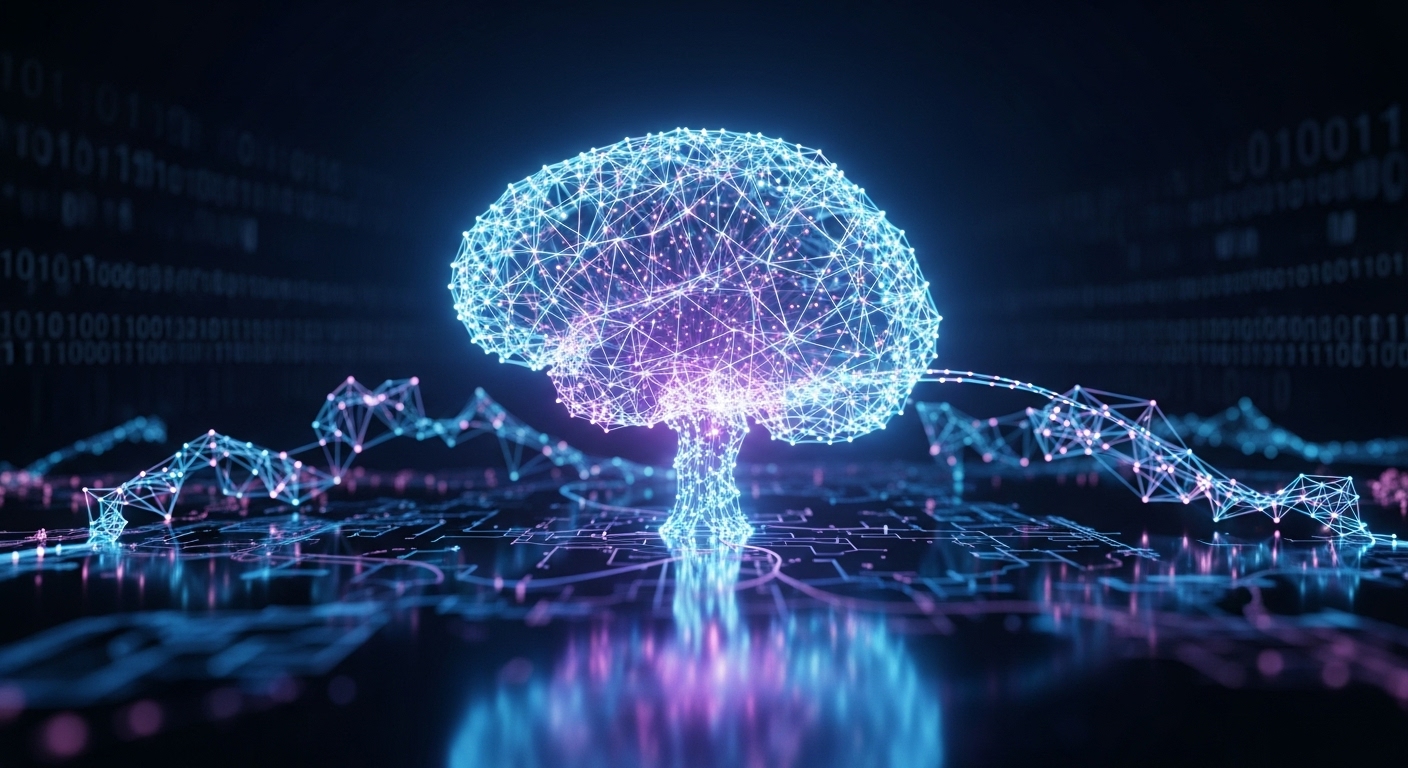
Artificial intelligence has emerged as the invisible force driving global transformation. It powers everything from voice assistants and recommendation engines to complex medical diagnostics and autonomous vehicles. AI learns from patterns, processes information faster than the human brain, and offers insights that redefine industries.
In healthcare, AI assists doctors in identifying diseases through advanced imaging systems and predictive analytics. In finance, algorithms assess risks and detect fraud in milliseconds. In education, AI personalizes learning paths, catering to each student’s pace and style. Even in entertainment, AI helps create immersive virtual experiences and lifelike simulations.
However, the power of AI comes with responsibility. As machines gain decision-making abilities, questions arise about ethics, privacy, and bias. Can we trust algorithms to make fair choices? Who controls the data that feeds them? Balancing innovation with accountability will determine whether AI becomes a force for good or a tool for exploitation.
The Internet of Things: A Connected World
The Internet of Things, commonly known as IoT, has quietly woven a web of connectivity around our lives. It refers to the network of physical devices — from thermostats and refrigerators to cars and city sensors — that collect and exchange data. IoT has made homes smarter, cities more efficient, and industries more productive.
Smart homes can now adjust lighting, temperature, and security automatically. In agriculture, IoT devices monitor soil and weather conditions to optimize crop yield. In healthcare, wearable devices track heart rate, sleep patterns, and physical activity, alerting doctors in real-time. The impact extends even further — entire cities are transforming into smart ecosystems where traffic, waste management, and energy distribution are all digitally managed.
Yet, as everything becomes connected, the potential for cyber threats grows. Data security and privacy must evolve alongside this connectivity to ensure that the digital network we rely on remains safe and trustworthy.
Cloud Computing: The Invisible Infrastructure
Every time we stream a movie, back up photos, or collaborate online, we are using cloud computing. It has become the invisible infrastructure that supports the digital economy. Instead of relying on local storage and hardware, cloud computing provides on-demand access to massive data centers distributed around the world.
For businesses, this technology has been revolutionary. Companies can scale operations without owning physical servers, reducing costs and increasing flexibility. For individuals, the cloud offers convenience and reliability, allowing access to data anytime, anywhere. It has also fueled innovation in artificial intelligence, software development, and big data analytics by providing the computational power necessary to process enormous volumes of information.
However, with great reliance comes great responsibility. The environmental cost of maintaining large data centers, along with concerns about data ownership and privacy, continues to shape discussions about the future of cloud technology.
Quantum Computing: Unlocking the Power of Possibility
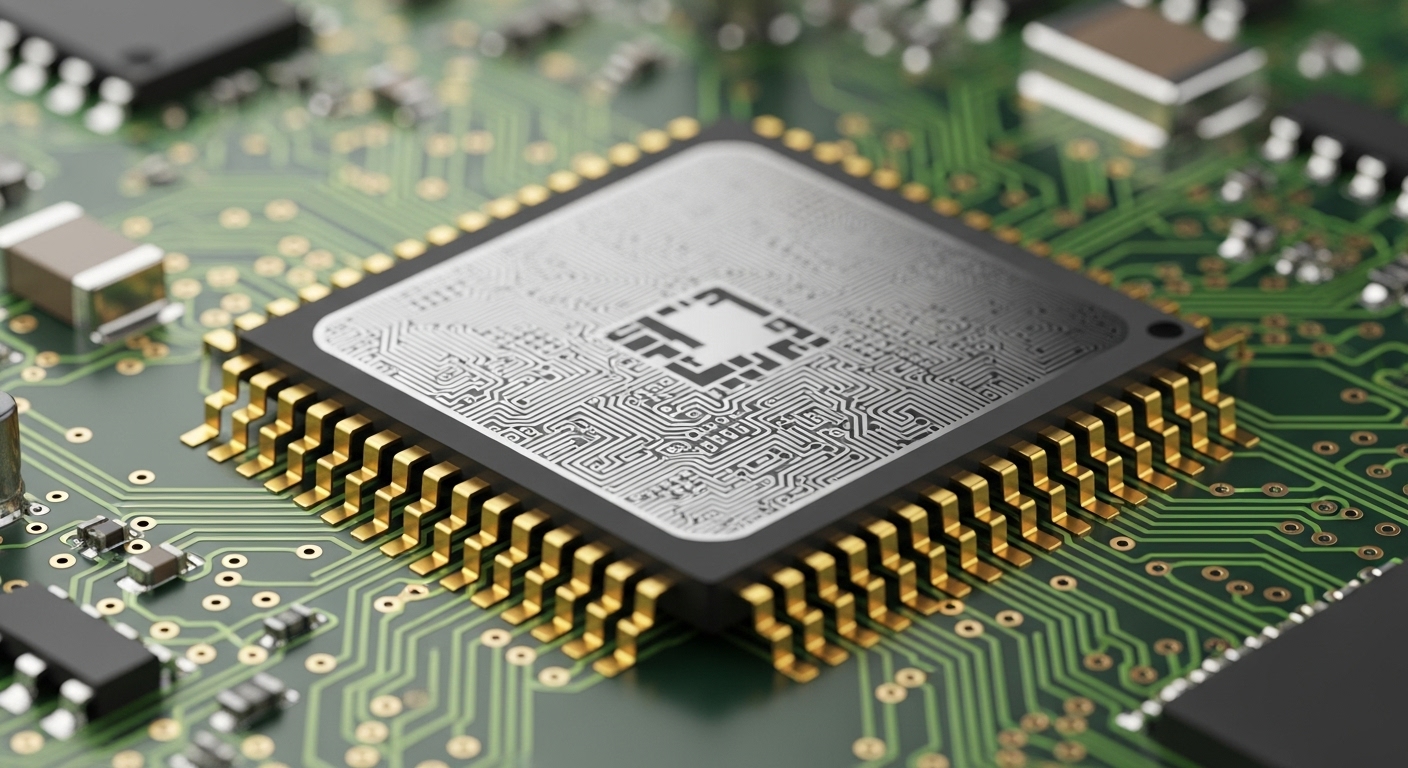
While cloud computing dominates today, quantum computing represents tomorrow’s frontier. It operates on the principles of quantum mechanics, allowing computers to perform calculations far beyond the reach of traditional systems. Instead of using binary bits (0s and 1s), quantum computers use qubits, which can exist in multiple states simultaneously.
This means that quantum computers could revolutionize fields such as cryptography, climate modeling, and pharmaceutical research. Problems that currently take supercomputers centuries to solve could be completed in seconds. Although still in its early stages, the potential of quantum computing is enormous. It represents not just faster computation but an entirely new way of processing information — one that mirrors the complexity of the universe itself.
Robotics and Automation: Redefining Work and Industry
The rise of robotics and automation has transformed industries and redefined the meaning of work. Robots no longer just perform repetitive tasks; they now collaborate with humans, learn from experience, and adapt to new challenges. Factories, warehouses, and even hospitals are integrating robotic systems that enhance precision, safety, and efficiency.
Automation has led to significant productivity gains, but it has also raised concerns about employment and economic inequality. As machines take over routine tasks, the workforce must evolve to focus on creativity, critical thinking, and problem-solving — areas where human intelligence still outperforms artificial systems. The future of work will be defined not by competition between humans and machines but by collaboration that leverages the strengths of both.
Biotechnology: The Fusion of Life and Technology
Beyond machines and data, technology is now transforming biology itself. Biotechnology merges science and technology to alter living systems for medical, agricultural, and environmental purposes. Gene editing, personalized medicine, and synthetic biology are revolutionizing how we understand and manipulate life.
In medicine, advancements like CRISPR allow scientists to modify genes to prevent or cure diseases once considered untreatable. In agriculture, biotechnology creates drought-resistant crops and sustainable farming solutions. Environmental scientists are developing bioengineered organisms that can clean polluted water or absorb carbon dioxide from the atmosphere.
This fusion of biology and technology holds immense promise but also deep ethical questions. Should humans alter genetic codes? What are the long-term effects of engineered organisms? As biotechnology advances, humanity must tread carefully to ensure that innovation aligns with moral and ecological responsibility.
The Role of Cybersecurity in a Digital World
As the digital ecosystem expands, cybersecurity has become one of the most critical aspects of technology. Every connected device, from smartphones to smart cities, represents a potential entry point for cyberattacks. Hackers exploit vulnerabilities in networks, leading to data breaches, identity theft, and financial loss.
Modern cybersecurity employs artificial intelligence and machine learning to detect and neutralize threats before they cause harm. Encryption, biometric authentication, and zero-trust systems are setting new standards for data protection. Yet, the most powerful defense remains awareness. In a world driven by technology, digital literacy is essential for every individual and organization.
Ethical and Social Implications of Technology
Technology’s rapid growth brings both progress and peril. The same algorithms that recommend movies can also influence elections. The same data that improves healthcare can invade privacy. Ethical concerns surrounding artificial intelligence, surveillance, and data ownership are growing louder each year.
Society must address critical questions: Who controls the algorithms that shape our perceptions? How can we ensure fairness in automated systems? What happens when machines surpass human intelligence? Governments, corporations, and citizens must collaborate to build frameworks that ensure transparency, accountability, and fairness in technology use.
The Future of Technology: Toward a Human-Centered Approach
The next phase of technological evolution must focus on humanity. The goal should not be to replace humans but to enhance them. Human-centered technology emphasizes empathy, accessibility, and sustainability. It aims to solve real problems — from education and healthcare to climate change and inequality.
Emerging technologies like augmented reality, brain-computer interfaces, and sustainable energy solutions will continue to blur the boundaries between the physical and digital worlds. The challenge will be to guide innovation with wisdom, ensuring that progress benefits everyone, not just a select few.
Conclusion
The world stands on the brink of a new technological era — one defined by intelligence, connectivity, and transformation. From artificial intelligence and quantum computing to biotechnology and automation, technology is reshaping how we live, work, and think. Yet, amid this rapid change, one truth remains: technology is only as powerful as the humans who create and use it.
To ensure a future that is innovative yet ethical, connected yet secure, and intelligent yet humane, we must approach technology not as a distant force but as a partner in progress. The future belongs not to machines alone but to those who understand how to harmonize human values with technological advancement. The silent revolution is already here — and it is happening in every heartbeat, every click, and every line of code shaping the world around us.