
Introduction
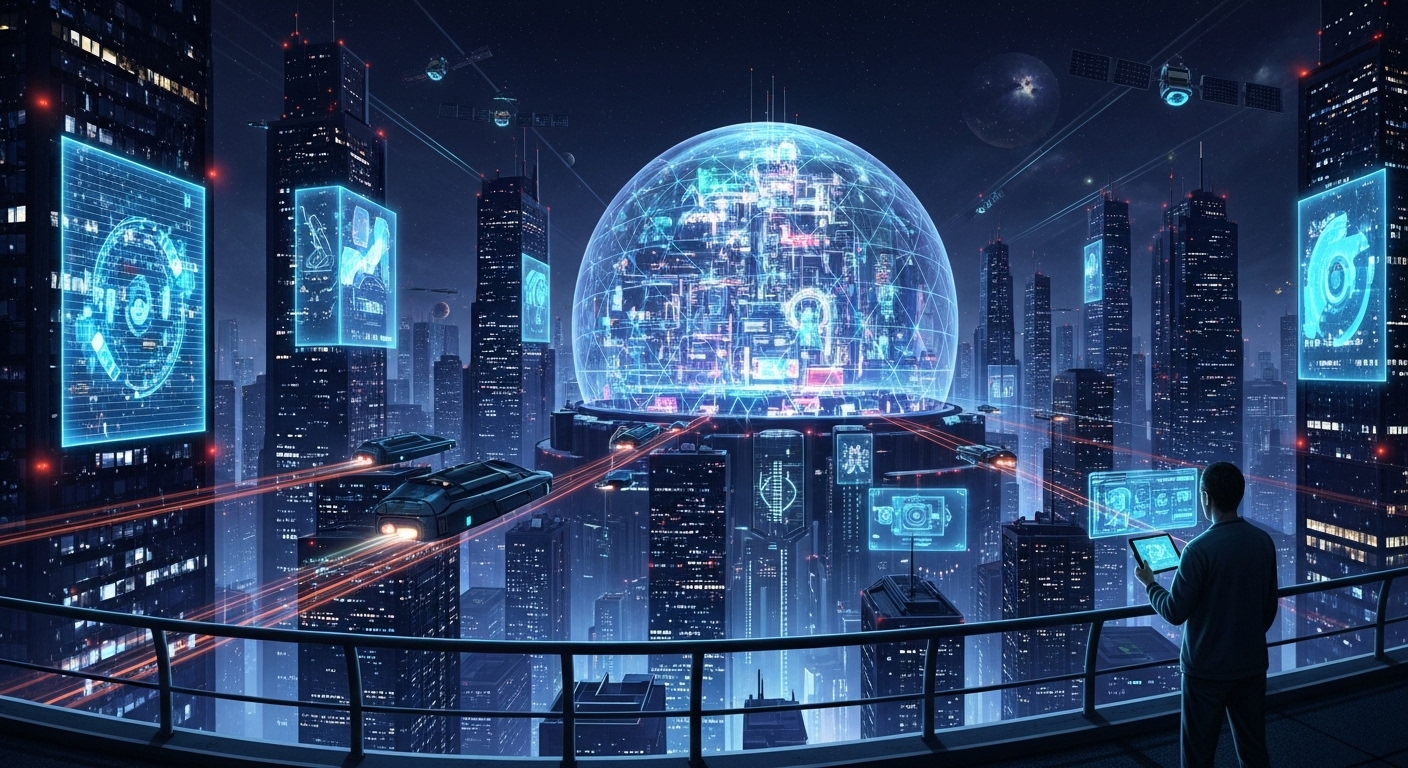
Technology has become the cornerstone of modern civilization. It influences the way we communicate, work, travel, and even think. Every day, new innovations emerge, transforming industries and redefining what is possible. From artificial intelligence to space exploration, technology is pushing the boundaries of human potential. In this blog, we will explore the most impactful technological trends, their influence on society, and the future opportunities and challenges they present.
Artificial Intelligence: Redefining Intelligence
Artificial Intelligence (AI) is no longer a futuristic concept—it is a reality integrated into everyday life. AI powers virtual assistants, predictive analytics, and recommendation systems. It enables machines to process vast amounts of data, identify patterns, and make decisions that were once the sole domain of humans. In healthcare, AI assists in diagnosing diseases faster and with greater accuracy. In finance, it helps detect fraudulent transactions and optimize investment strategies. As AI continues to evolve, it promises to revolutionize industries and create new opportunities for efficiency, innovation, and personalization. However, ethical concerns regarding privacy, bias, and job displacement must be carefully addressed.
The Internet of Things: Connecting Everything
The Internet of Things (IoT) refers to the network of interconnected devices that communicate and share data seamlessly. Smart homes are a prime example, where thermostats, lighting systems, and appliances can be controlled remotely for convenience and energy efficiency. IoT extends beyond households, transforming agriculture with precision farming, healthcare with wearable monitoring devices, and manufacturing with predictive maintenance. By connecting devices and collecting data in real-time, IoT creates a world that is more responsive, efficient, and intelligent. This interconnected ecosystem also raises questions about data security and privacy, which require robust safeguards.
5G Technology: Unlocking Speed and Possibility
The arrival of 5G networks marks a significant milestone in connectivity. Unlike previous generations, 5G offers ultra-fast speeds, low latency, and the ability to connect millions of devices simultaneously. This is a game-changer for autonomous vehicles, telemedicine, and immersive experiences such as augmented and virtual reality. Remote surgeries, real-time industrial automation, and instant data transfer are now achievable at scales previously impossible. The full potential of 5G is just beginning to be realized, and it will serve as the foundation for innovations that transform communication, entertainment, and business globally.
Blockchain: Beyond Cryptocurrency
Blockchain technology, widely recognized for powering cryptocurrencies, is now making waves across various industries. At its core, blockchain is a secure, decentralized ledger that ensures transparency and trust. Beyond digital currency, it is being used for supply chain management, secure voting systems, and smart contracts that automatically execute agreements. By eliminating intermediaries, blockchain reduces costs, increases efficiency, and enhances accountability. Its potential to revolutionize business processes, protect data integrity, and create trust in digital interactions is immense.
Cloud Computing: The Backbone of Modern Technology
Cloud computing has redefined how organizations and individuals store, process, and access data. It allows businesses to scale operations efficiently while reducing infrastructure costs. Cloud platforms enable remote collaboration, real-time analytics, and the deployment of complex AI models without the need for extensive local hardware. Services hosted on the cloud also improve flexibility, as applications and data are accessible from anywhere in the world. For businesses and individuals alike, cloud computing provides a foundation for innovation, productivity, and seamless digital experiences.
Augmented and Virtual Reality: Shaping New Realities
Augmented Reality (AR) and Virtual Reality (VR) are creating immersive experiences that redefine interaction with digital content. AR overlays information onto the real world, enhancing education, navigation, and retail experiences. VR immerses users in entirely virtual environments, enabling gaming, simulations, and training that were previously impossible. From virtual classrooms to interactive product demonstrations, these technologies offer both entertainment and practical applications. As hardware becomes more affordable and software more sophisticated, AR and VR are poised to become central to digital experiences.
Cybersecurity: Protecting Our Digital World
As technology becomes more integrated into daily life, cybersecurity has emerged as a critical priority. The increase in connected devices, online transactions, and cloud services expands potential vulnerabilities for cyberattacks. Protecting sensitive information, ensuring privacy, and maintaining trust are essential responsibilities for individuals, organizations, and governments alike. Advanced cybersecurity measures, including AI-driven threat detection, encryption, and multi-factor authentication, are vital in defending against cyber threats. In a world where data is invaluable, cybersecurity is no longer optional—it is essential.
Sustainable Technology: Innovation for the Planet
Technology is playing a key role in addressing environmental challenges. Innovations in renewable energy, electric transportation, and energy-efficient systems are reducing carbon footprints and promoting sustainability. Smart grids optimize energy distribution, while sensors monitor environmental conditions to minimize waste. Sustainable technology also includes innovations in waste management, water conservation, and agriculture. By aligning technological advancement with environmental responsibility, humanity can leverage innovation to protect the planet while advancing development.
The Future of Work: Human-Machine Collaboration
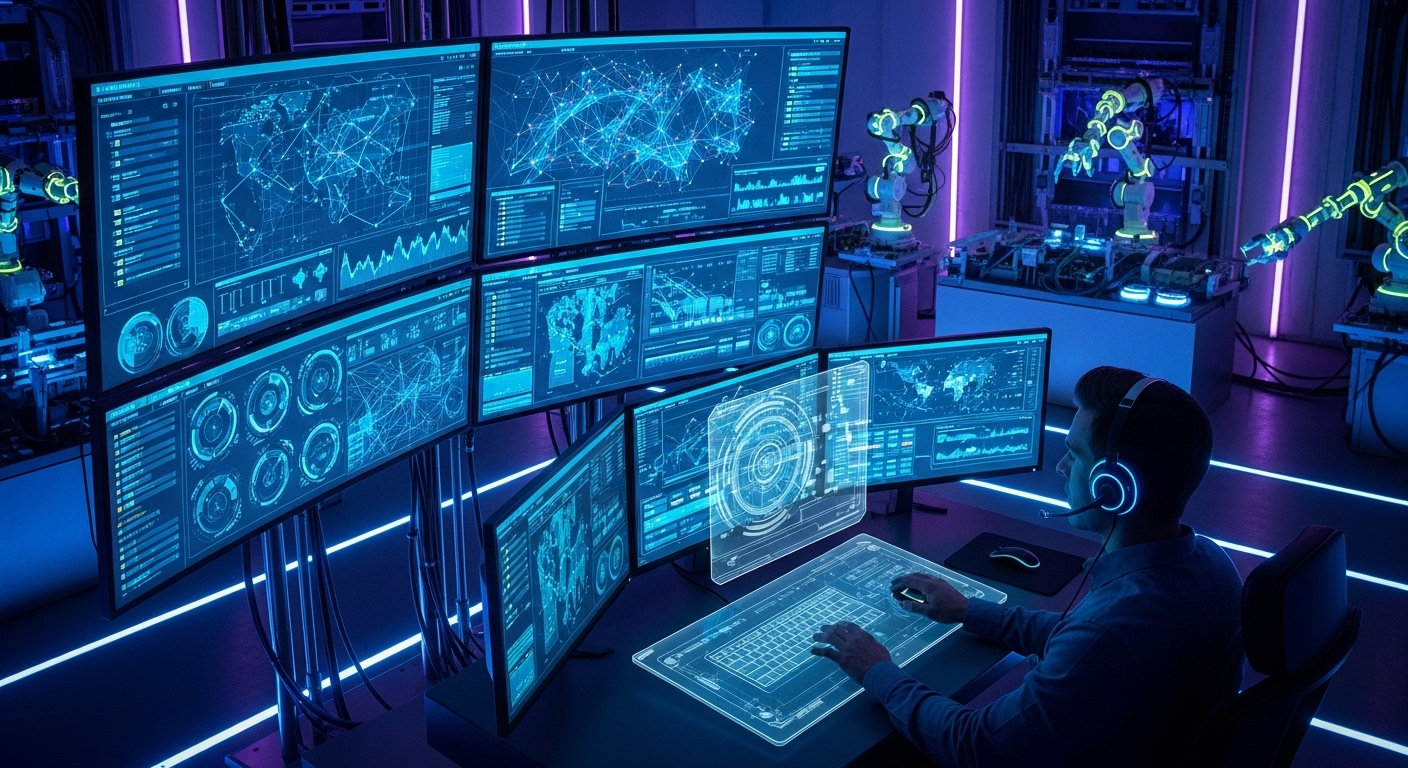
Automation, AI, and robotics are transforming workplaces worldwide. Repetitive and routine tasks are increasingly handled by machines, allowing humans to focus on creativity, problem-solving, and strategic thinking. Remote work tools and digital collaboration platforms have also redefined productivity, enabling teams to operate efficiently across geographies. This shift requires continuous learning and adaptation, as workers need new skills to thrive alongside advanced technologies. The future of work will be defined by collaboration between humans and machines, resulting in higher efficiency, innovation, and opportunities for meaningful contributions.
Ethics and Responsibility in Technology
The rapid pace of technological advancement brings ethical considerations to the forefront. Questions of data privacy, algorithmic bias, and social implications demand careful attention. Technology must be developed and deployed responsibly to ensure it benefits society as a whole. Transparent practices, accountability, and inclusivity are critical in creating solutions that are fair, safe, and equitable. Ethical considerations are not barriers to innovation—they are essential guides that ensure technology serves humanity, rather than creating unintended harm or inequality.
Conclusion
Technology continues to redefine the boundaries of possibility. From AI and IoT to blockchain, cloud computing, and immersive realities, the innovations of today are shaping the world of tomorrow. These advancements offer unprecedented opportunities for efficiency, creativity, and connection, while also presenting challenges in ethics, security, and sustainability. Embracing technology responsibly, with awareness of its potential and limitations, is essential for creating a future that is innovative, equitable, and environmentally conscious. The horizon of technology is vast, and humanity is only beginning to explore its possibilities. The journey ahead promises transformation, inspiration, and a reimagined world where technology and human ingenuity coexist harmoniously.