
In an era where technology is advancing at an unprecedented pace, the future is unfolding right before our eyes. Every day brings new innovations that challenge the way we live, work, and interact with the world. From artificial intelligence (AI) to quantum computing, from smart homes to the Internet of Things (IoT), the tech landscape is evolving rapidly, transforming every facet of our daily lives. This blog post explores some of the most exciting technological advancements and their potential to revolutionize our future.
The Rise of Artificial Intelligence
Artificial intelligence has evolved from a futuristic concept to an essential part of modern technology. AI is no longer confined to sci-fi movies; it’s woven into the fabric of our daily routines. From voice assistants like Siri and Alexa to complex algorithms that drive recommendation engines on platforms like Netflix and YouTube, AI is increasingly becoming a part of how we interact with technology.
Beyond simple automation, AI is making significant strides in fields like healthcare, where it is being used to analyze medical data, assist in diagnosis, and even develop personalized treatment plans. In the automotive industry, self-driving cars are no longer just an idea but a reality being tested on roads around the world. As AI continues to improve, its potential to revolutionize industries and redefine what’s possible is limitless.
Quantum Computing: The Next Big Leap
Quantum computing is one of the most exciting frontiers in technology. Unlike traditional computers, which process information in binary (0s and 1s), quantum computers use quantum bits or qubits, which can exist in multiple states at once. This makes quantum computers exponentially more powerful than classical machines in solving complex problems.
While still in its early stages, quantum computing promises to transform fields such as cryptography, drug discovery, and material science. Researchers are working tirelessly to overcome challenges such as quantum error correction and scalability, but the potential for this technology is immense. When fully realized, quantum computers could solve problems that are currently beyond the reach of traditional supercomputers, opening new possibilities in science and technology.
The Internet of Things (IoT) and Smart Living
The Internet of Things (IoT) is creating an interconnected world where everyday objects are linked to the internet, allowing for smarter and more efficient living. From smart thermostats that learn your preferences to wearable devices that monitor your health, IoT is transforming how we interact with our environment.
Smart homes are becoming a reality, where devices like refrigerators, lights, and security systems can be controlled remotely through your smartphone or voice assistant. These connected devices work together to create an ecosystem that enhances convenience, security, and energy efficiency. As IoT technology continues to evolve, we can expect even more innovative solutions that will make our homes and workplaces smarter, more responsive, and ultimately more comfortable.
5G and the Future of Connectivity
5G, the next generation of mobile networks, promises to revolutionize the way we connect and communicate. With speeds up to 100 times faster than 4G, 5G will enable real-time communication, ultra-low latency, and the ability to support millions of connected devices simultaneously. This leap in connectivity will transform industries ranging from healthcare and manufacturing to entertainment and transportation.
In healthcare, 5G will enable remote surgeries and real-time monitoring of patients. In manufacturing, it will facilitate the development of smart factories, where machines can communicate with each other to optimize production processes. 5G will also pave the way for advancements in augmented reality (AR) and virtual reality (VR), enabling new experiences in gaming, education, and entertainment.
Blockchain and the Future of Digital Security
Blockchain technology, best known for powering cryptocurrencies like Bitcoin, is gaining traction beyond the financial sector. Blockchain is a decentralized and secure digital ledger that records transactions across multiple computers. Its primary advantage is its transparency, immutability, and the fact that no single entity controls the system.
In industries like supply chain management, healthcare, and finance, blockchain is being used to ensure secure, transparent, and traceable transactions. For example, in the supply chain, blockchain can track the journey of products from manufacturer to consumer, ensuring authenticity and reducing fraud. As blockchain technology matures, its potential applications will expand, offering greater security and efficiency in a variety of fields.
The Future of Work: Automation and Remote Technology
The future of work is rapidly changing, and technology plays a central role in this transformation. Automation, powered by AI and robotics, is already reshaping industries by taking over repetitive tasks, allowing workers to focus on more strategic, creative, and complex responsibilities. From manufacturing floors to customer service desks, robots and AI systems are enhancing productivity and efficiency.
Meanwhile, remote work technology is enabling people to collaborate and work from anywhere in the world. Video conferencing tools, cloud-based software, and project management platforms have made it possible for teams to work seamlessly across borders. As businesses continue to adopt these technologies, the traditional 9-to-5 office job may become a thing of the past, with more flexible, remote work models becoming the norm.
Sustainability through Technology
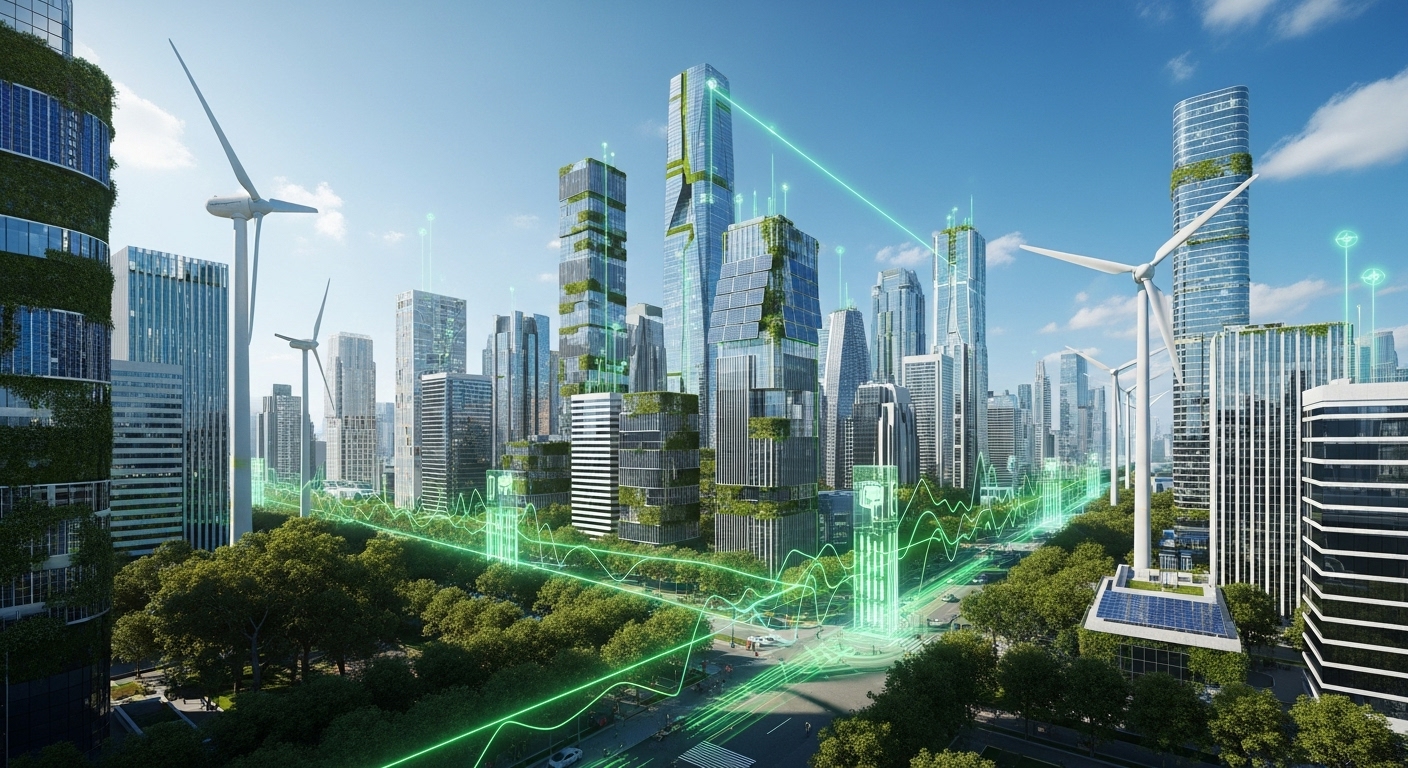
As climate change and environmental issues become more pressing, technology is stepping up to help create more sustainable solutions. From renewable energy innovations like solar and wind power to green tech solutions in industries such as agriculture and transportation, technology is playing a key role in reducing our carbon footprint.
Electric vehicles (EVs) are rapidly gaining popularity, with advancements in battery technology making them more affordable and efficient. Smart grids and energy management systems are helping to optimize energy consumption, reducing waste and improving efficiency. Furthermore, technologies such as carbon capture and storage (CCS) are being explored to help mitigate the effects of greenhouse gas emissions.
Conclusion: A Future Transformed by Technology
The future of technology is incredibly exciting. From the power of AI and quantum computing to the connectivity of IoT and 5G, we are on the cusp of a new era in which technology will fundamentally change how we live, work, and interact with the world. However, with these advances come new challenges, including issues of privacy, cybersecurity, and ethical considerations that must be addressed as we move forward.
Ultimately, technology’s potential to enhance our lives is limitless. As innovation continues to drive progress, the way we experience the world will be reshaped in ways we can’t yet fully imagine. The key to embracing this future will be to ensure that technology is used responsibly, ethically, and inclusively, so that everyone can benefit from the incredible possibilities it offers.