
Introduction
Technology is no longer a supplementary aspect of human life; it has become the core driver of modern civilization. From artificial intelligence that predicts trends to smartphones that connect the world, technology touches every aspect of our daily lives. It influences how we communicate, work, learn, travel, and entertain ourselves. The speed of technological evolution is unprecedented, creating new opportunities while also introducing challenges that require careful navigation. This blog post explores the evolution of technology, its transformative impact across sectors, and the trends that are shaping the future.
The Evolution of Technology
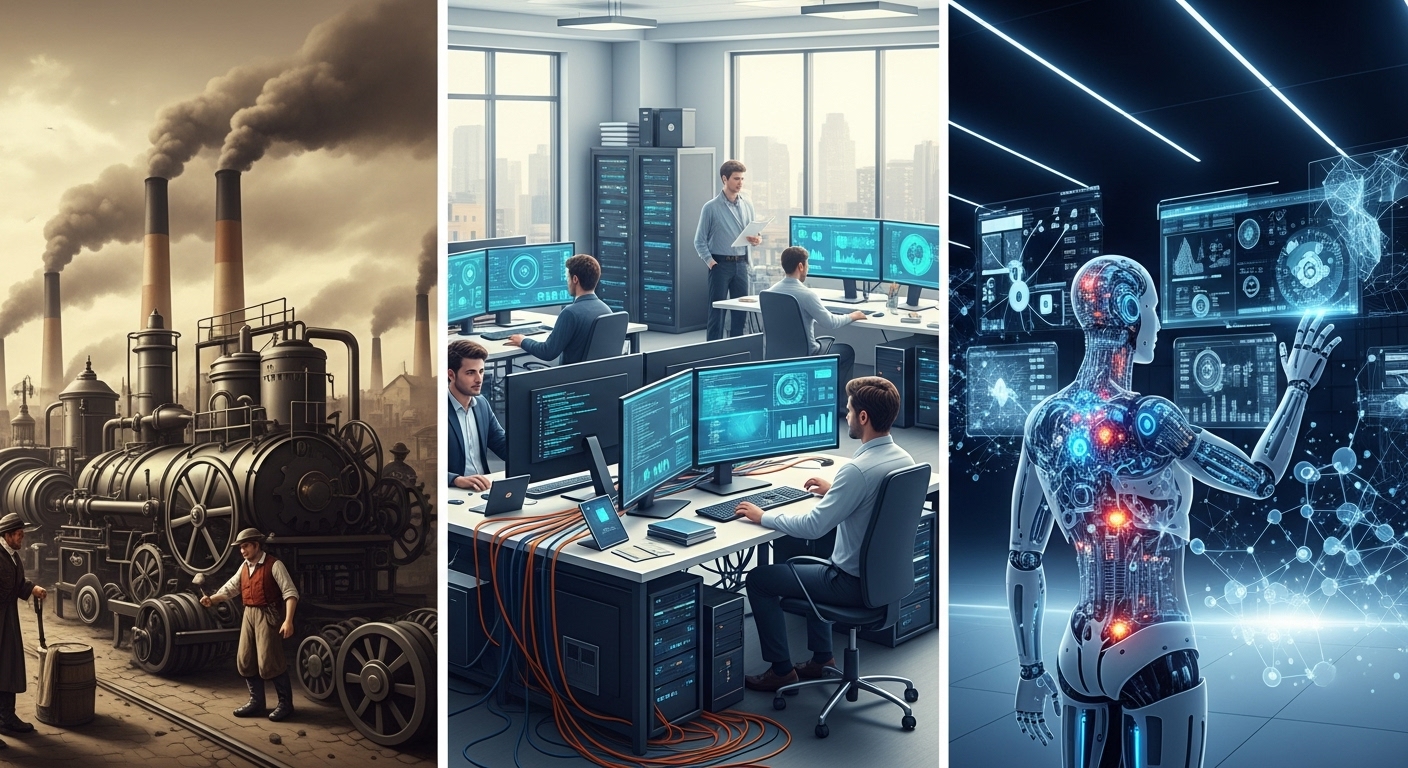
The history of technology reflects human ingenuity and our constant desire to solve problems. Early inventions like the wheel, the plow, and fire revolutionized the way humans lived, enabling increased productivity and survival. The Industrial Revolution marked a major turning point, introducing mechanization, electricity, and mass production, fundamentally changing society. Factories, trains, and telegraph systems redefined work, communication, and commerce.
The 20th century witnessed the digital revolution, introducing computers, the internet, and mobile technology. These innovations enabled faster communication, more efficient business operations, and unprecedented access to information. Today, the pace of technological change continues to accelerate with advancements in artificial intelligence, robotics, biotechnology, and quantum computing, redefining the possibilities of human achievement.
Artificial Intelligence and Machine Learning
Artificial intelligence (AI) has emerged as one of the most transformative technologies of the modern era. AI systems can analyze vast amounts of data, identify patterns, and make predictions or decisions that traditionally required human intelligence. Machine learning, a subset of AI, allows systems to learn and improve over time without explicit programming.
Industries ranging from healthcare and finance to transportation and education are leveraging AI to optimize processes and enhance outcomes. Examples include virtual assistants that manage daily tasks, autonomous vehicles navigating complex traffic systems, and AI-powered recommendation engines that tailor user experiences. While AI offers enormous potential, it also raises ethical concerns such as job displacement, privacy issues, and the need for fairness in decision-making.
Revolutionizing Communication
Technology has completely transformed the way humans communicate. Social media platforms, instant messaging applications, and video conferencing tools connect people worldwide in real-time. Businesses use these tools to manage remote teams, engage with customers, and expand into global markets.
Digital communication has also enabled creative expression. Content creators, educators, and professionals can share ideas instantly, reaching audiences previously inaccessible. Despite these advantages, challenges such as misinformation, online harassment, and digital fatigue highlight the need for responsible use and digital literacy.
Healthcare Innovations
Technology has dramatically improved healthcare, making it more efficient, precise, and accessible. Robotic-assisted surgeries, telemedicine, wearable health devices, and advanced imaging systems have revolutionized diagnosis and treatment. Artificial intelligence predicts disease outbreaks, personalizes treatment plans, and accelerates drug research.
Telemedicine allows patients in remote areas to consult specialists without traveling, bridging healthcare gaps. Wearable devices monitor vital signs, activity, and sleep patterns, empowering individuals to manage their own health. Technology is transforming healthcare into a more patient-centric system, improving outcomes and reducing the burden on medical infrastructure.
Transportation and Mobility
Advancements in technology are redefining transportation. Electric vehicles are reducing reliance on fossil fuels and minimizing environmental impact. Autonomous vehicles promise safer roads and optimized traffic flow by reducing human error. Smart public transport systems, featuring real-time tracking and digital ticketing, enhance convenience and accessibility.
Emerging innovations such as hyperloop systems, drones, and intelligent traffic management are reshaping how goods and people move. These technologies not only improve efficiency but also promote sustainability, safety, and urban planning, illustrating how transportation technology impacts both daily life and the broader environment.
Technology in Education
Education has been transformed by technology, providing more inclusive and dynamic learning experiences. Online courses, virtual classrooms, and digital textbooks make knowledge accessible to students worldwide. Interactive tools, simulations, and collaborative platforms enhance engagement and learning outcomes.
Artificial intelligence supports personalized learning by identifying strengths and weaknesses, helping students progress at their own pace. Gamification and virtual labs develop critical thinking, problem-solving, and teamwork skills. By breaking geographic and socioeconomic barriers, technology is democratizing education and preparing students for the demands of the modern world.
Entertainment and Media
Technology has revolutionized entertainment by creating immersive, interactive, and personalized experiences. Streaming platforms, video games, virtual reality, and augmented reality allow users to engage with content on a whole new level. Digital tools enable creators to reach global audiences, democratizing content creation and consumption.
AI-driven recommendation engines personalize experiences, while virtual concerts and interactive storytelling offer innovative ways for audiences to participate. Technology has blurred the line between creators and consumers, reshaping entertainment into a more engaging and inclusive experience.
Business Transformation and Economic Impact
Technology drives economic growth by enhancing efficiency, innovation, and market reach. Automation, data analytics, and cloud computing streamline business operations, reduce costs, and improve decision-making. E-commerce platforms, digital payment systems, and fintech innovations have revolutionized commerce, opening opportunities for startups and entrepreneurs.
Emerging technologies such as blockchain, AI, and advanced logistics disrupt traditional industries, improving transparency, security, and efficiency. Technology is both a tool for productivity and a catalyst for economic development, reshaping global markets and creating new business opportunities.
Ethical Considerations in Technology
With rapid technological advancement comes the responsibility to consider ethics. Issues like data privacy, cybersecurity, AI bias, and digital addiction require thoughtful oversight. Ethical innovation ensures that technology serves society positively while maintaining trust and equity.
Collaboration between governments, organizations, and individuals is essential to establish frameworks that protect users and promote responsible development. Transparency, accountability, and education in digital literacy are vital to navigating ethical challenges and ensuring that technology empowers humanity rather than causing harm.
Environmental Sustainability and Technology
Technology affects the environment both positively and negatively. Electronic waste and high energy consumption pose challenges, yet technological solutions such as renewable energy systems, smart grids, electric vehicles, and environmental monitoring tools help reduce ecological impact.
AI and data analytics enable better resource management, pollution reduction, and climate prediction. Sustainable technology demonstrates that innovation can coexist with environmental stewardship, offering practical solutions to global challenges while advancing human development.
The Future of Technology
The future of technology is filled with exciting possibilities. Fields such as artificial intelligence, quantum computing, biotechnology, and space exploration are poised to redefine human capabilities. Smart cities, autonomous systems, and interconnected devices will transform urban living and everyday activities.
Emerging technologies will enhance productivity, accessibility, and innovation. Collaboration between humans and machines will expand creative and problem-solving potential. The future promises a world where technology and humanity evolve together, unlocking opportunities for growth, sustainability, and progress.
Conclusion
Technology has become the cornerstone of modern life, influencing how we communicate, work, learn, and entertain ourselves. From AI and healthcare advancements to education, transportation, and sustainability solutions, technology touches every aspect of existence.
Harnessing technology responsibly ensures its benefits are ethical, inclusive, and sustainable. As innovation accelerates, society has the opportunity to improve quality of life, solve complex challenges, and create a more connected and equitable world. By navigating the technological landscape thoughtfully, humanity can shape a future where progress, ethics, and human potential coexist harmoniously.