
Artificial Intelligence (AI) is no longer a concept of science fiction; it is a reality that is reshaping industries, changing the way we live, and revolutionizing the way businesses operate. From machine learning to natural language processing, AI has made significant strides in recent years, and its potential continues to grow at an exponential rate. In this blog post, we will explore the evolution of AI, how it is being used across various industries, and what the future holds for this groundbreaking technology.
The Rise of Artificial Intelligence
Artificial Intelligence has its roots in the mid-20th century when pioneers like Alan Turing and John McCarthy laid the foundation for the field. Turing’s groundbreaking work on machine learning and the concept of a “thinking machine” set the stage for AI’s development. In 1956, McCarthy coined the term “Artificial Intelligence” and proposed that machines could be programmed to simulate human intelligence.
In its early years, AI research was focused on rule-based systems—computers that could follow predefined sets of rules to make decisions. However, as the field progressed, researchers began to explore more sophisticated methods, such as machine learning, where machines could learn from data and improve their performance over time. This shift marked a turning point in AI development, leading to the more advanced systems we use today.
How AI Works: The Key Technologies Behind the Magic
At its core, AI involves machines performing tasks that would typically require human intelligence. These tasks include problem-solving, understanding natural language, recognizing patterns, and making decisions. Here are some of the key technologies that power AI:
1. Machine Learning (ML)
Machine learning is a subset of AI that allows computers to learn from data without being explicitly programmed. Through algorithms and statistical models, machines can identify patterns in large datasets and make predictions or decisions based on that data. For example, ML algorithms are used in recommendation systems on platforms like Netflix or Amazon, where the system predicts what a user may like based on past behavior.
2. Deep Learning
Deep learning, a subset of machine learning, uses neural networks inspired by the human brain to process information. These networks consist of multiple layers that help the system learn complex patterns in data. Deep learning is particularly powerful in tasks like image recognition, speech processing, and natural language understanding, and it has been behind the advancements in technologies like self-driving cars and facial recognition.
3. Natural Language Processing (NLP)
Natural Language Processing (NLP) enables machines to understand, interpret, and generate human language. NLP powers chatbots, virtual assistants like Siri and Alexa, and even translation services like Google Translate. With NLP, machines can engage in human-like conversations, answer questions, and provide insights based on text data.
4. Computer Vision
Computer vision allows machines to interpret and make decisions based on visual data. This is used in everything from facial recognition to medical imaging analysis. In autonomous vehicles, for instance, computer vision enables the car to recognize road signs, pedestrians, and other vehicles, making driving decisions in real time.
AI Across Industries: Revolutionizing the World
AI is not just an abstract concept or a research experiment; it has become an integral part of numerous industries, transforming the way businesses operate, deliver products, and interact with customers. Let’s explore how AI is being applied across various sectors:
1. Healthcare
AI is revolutionizing the healthcare industry by providing more accurate diagnoses, improving treatment plans, and enhancing patient care. AI-powered tools can analyze medical images, detect patterns in patient data, and even predict potential health risks before they become critical. In drug discovery, AI algorithms help identify promising compounds and accelerate the development of new medications. Moreover, AI-driven virtual assistants and chatbots are being used for patient engagement, providing information and even scheduling appointments.
2. Finance
In the financial sector, AI is being used to detect fraudulent activities, predict market trends, and automate trading. Machine learning algorithms are helping banks and financial institutions analyze vast amounts of transaction data to identify anomalies and prevent fraud. AI is also enhancing customer service in banking through chatbots that provide instant assistance and AI-powered recommendation systems that suggest investment opportunities based on individual preferences and risk profiles.
3. Retail
Retailers are leveraging AI to create personalized shopping experiences, optimize inventory management, and enhance customer service. AI algorithms analyze customer data to predict purchasing behavior, enabling personalized marketing campaigns and product recommendations. In brick-and-mortar stores, AI-powered systems can optimize store layouts and manage inventory levels more efficiently. Additionally, AI is being used in the form of virtual assistants and chatbots to provide 24/7 customer support.
4. Transportation
Self-driving cars are one of the most well-known applications of AI in transportation. Using computer vision, machine learning, and sensor data, autonomous vehicles can navigate roads, avoid obstacles, and make driving decisions. Beyond cars, AI is also being used in public transportation systems to optimize routes, manage traffic flow, and improve the efficiency of logistics and supply chains.
5. Manufacturing
In manufacturing, AI is driving the development of smart factories. AI-powered robots are automating production lines, improving efficiency, and reducing human error. Predictive maintenance powered by AI helps identify potential equipment failures before they happen, minimizing downtime and reducing costs. Additionally, AI is helping manufacturers optimize supply chain management and improve quality control through data analysis and pattern recognition.
6. Entertainment and Media
AI is playing a significant role in transforming the entertainment and media industries. Streaming platforms like Netflix and Spotify use AI to analyze user preferences and recommend personalized content. In video games, AI is used to create realistic non-player characters (NPCs) and adaptive gameplay experiences. AI is also used in content creation, with algorithms capable of writing news articles, generating music, and even creating visual art.
The Ethical Implications of AI
While AI holds tremendous promise, it also raises important ethical considerations. As machines become more autonomous and capable of making decisions, the question of accountability arises. Who is responsible if an AI system makes a harmful decision? For example, if an autonomous vehicle is involved in an accident, should the manufacturer, the software developer, or the owner of the vehicle be held liable?
Another ethical concern is the impact of AI on jobs. As automation and AI systems become more prevalent, there is a fear that many jobs, especially in sectors like manufacturing and customer service, could be replaced by machines. However, many experts believe that while some jobs may disappear, new opportunities will arise in areas like AI development, data analysis, and machine maintenance.
Privacy is another issue that needs to be addressed, particularly with AI systems that gather vast amounts of personal data. Ensuring that AI systems are transparent, secure, and respect user privacy is crucial for their widespread adoption and trust.
The Future of AI: What’s Next?
The future of AI is both exciting and uncertain. We are only scratching the surface of what AI is capable of, and as technology continues to advance, new applications and innovations will emerge. The integration of AI with other emerging technologies, such as quantum computing and 5G, will likely push the boundaries of what’s possible even further.
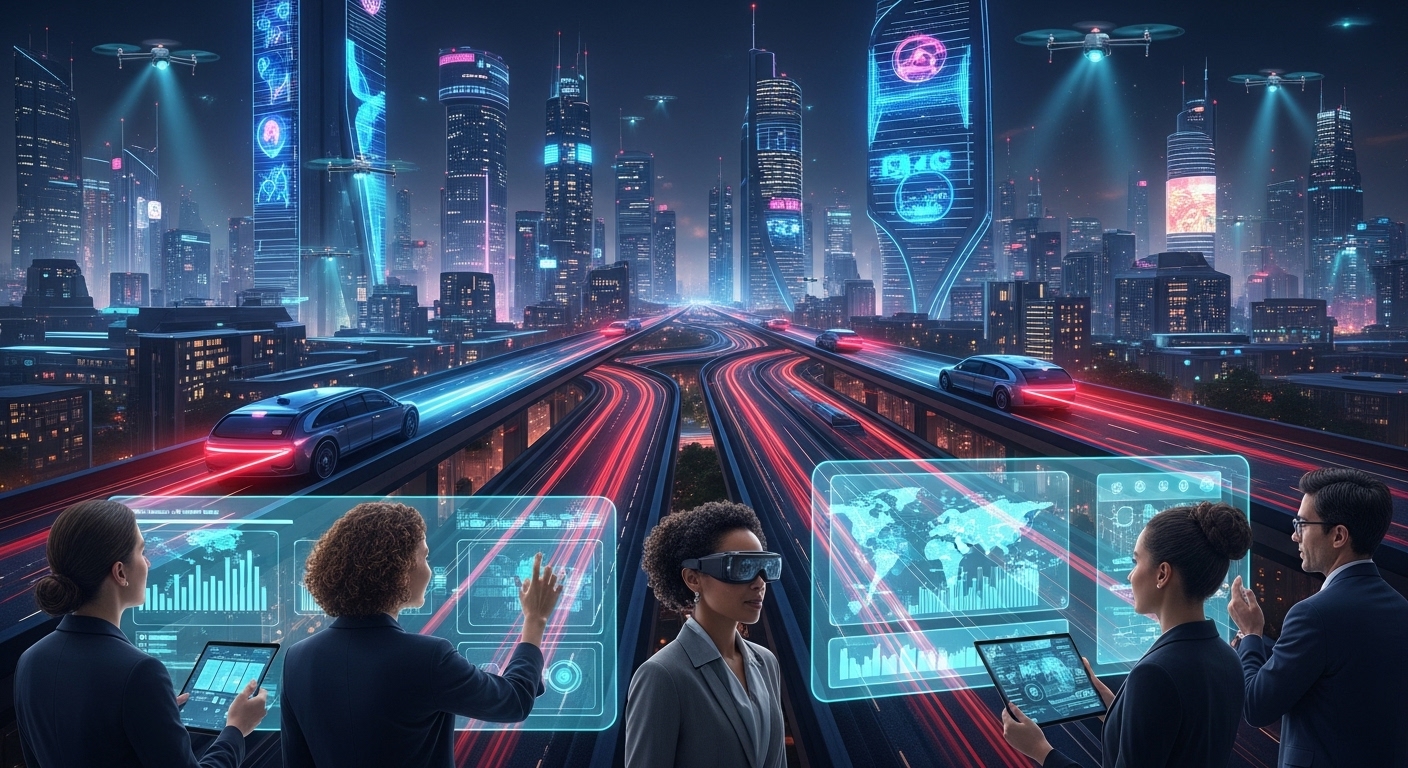
As AI continues to evolve, it will undoubtedly bring about significant changes in our daily lives and in industries worldwide. It will enable smarter cities, personalized healthcare, and more efficient businesses. However, with these advancements, it is essential to approach AI with caution, ensuring that ethical guidelines and regulations are in place to guide its development and use.
Ultimately, the evolution of AI will be shaped by how we choose to implement and regulate it. If harnessed responsibly, AI has the potential to unlock a future of innovation and progress, making our world more connected, efficient, and intelligent.
Conclusion
Artificial Intelligence is no longer just a buzzword; it is a transformative technology that is reshaping industries and influencing the way we live and work. From healthcare to entertainment, finance to manufacturing, AI is unlocking new possibilities and driving innovation. While there are ethical challenges to consider, the potential of AI to solve complex problems and improve lives is immense. As we move forward, it’s crucial that we continue to invest in AI research, while also addressing the ethical, social, and regulatory challenges it presents. The future of AI is bright, and its evolution will shape the next generation of technology.