
Technology is advancing at an exponential rate, transforming industries, societies, and the very way we live our lives. In the last few decades, we’ve seen incredible shifts that have brought forth massive changes—changes that we could never have anticipated. As we move further into the 21st century, new innovations continue to emerge, shaping the future in ways we once thought were only possible in science fiction. From artificial intelligence to renewable energy, let’s explore the exciting technologies that will define the next decade and beyond.
Artificial Intelligence: Revolutionizing Everyday Life
Artificial intelligence (AI) is no longer just a buzzword—it’s deeply embedded in our everyday experiences. AI has evolved from simple algorithms to complex systems that can make decisions, learn from data, and interact with humans in ways that were unimaginable just a few years ago. Whether it’s voice assistants like Siri and Alexa, or self-driving cars, AI is making its presence felt everywhere.
One of the most significant impacts AI is having is in healthcare. AI-powered systems are improving diagnostic accuracy, personalizing treatments, and even assisting in drug development. These innovations are reducing costs and saving lives. As AI continues to evolve, it will only get smarter, with the potential to enhance productivity, efficiency, and creativity across almost every field.
Quantum Computing: A New Era of Problem Solving
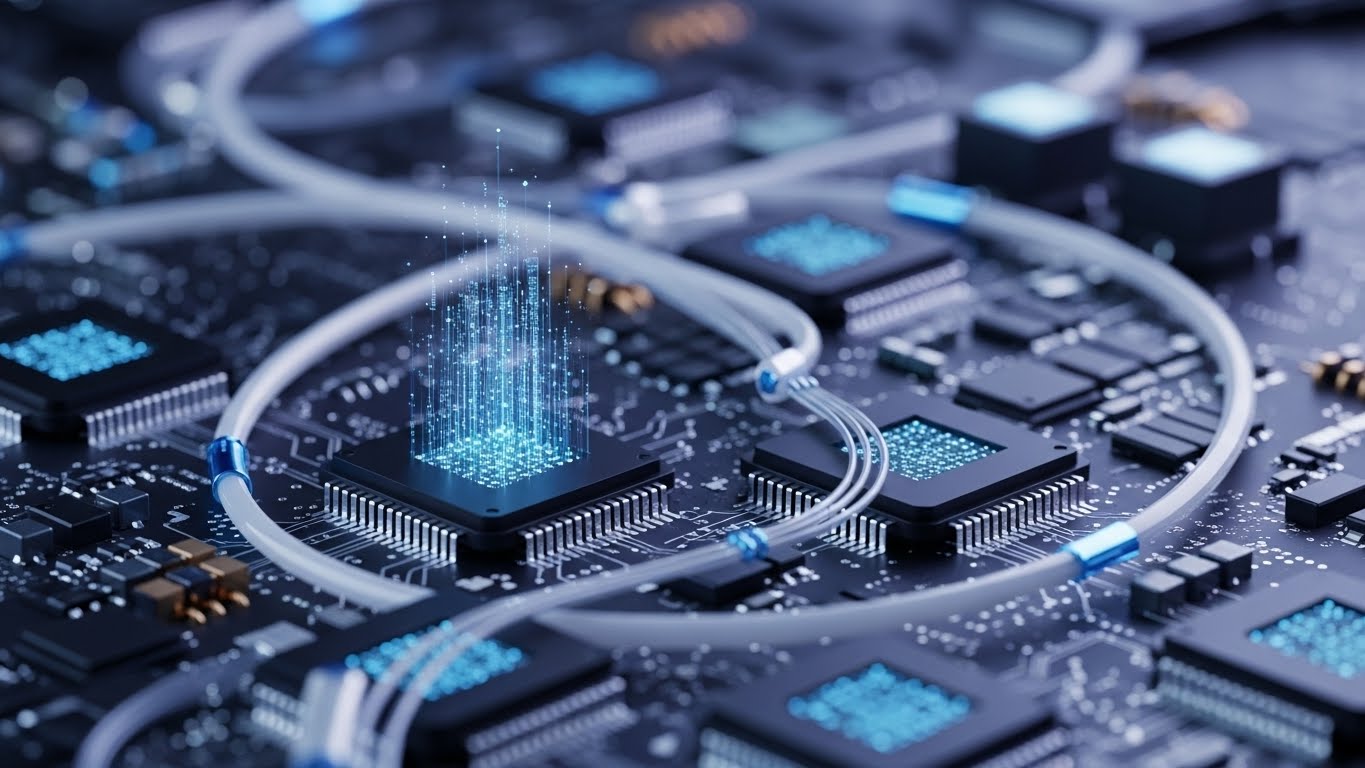
Quantum computing is one of the most fascinating and transformative technologies on the horizon. Unlike classical computers that process information in binary (1s and 0s), quantum computers use quantum bits (qubits), which can exist in multiple states simultaneously. This opens up the potential for massive computational power, far beyond what traditional computers can handle.
Quantum computing could revolutionize industries such as cryptography, drug discovery, and material science. For example, quantum algorithms may be able to simulate complex chemical reactions in minutes, something that would take traditional computers thousands of years. Though still in its infancy, quantum computing holds the promise to solve some of the world’s most challenging problems, paving the way for breakthroughs that can change the course of history.
5G Technology: Unlocking a Hyper-Connected World
5G technology is the next major step in wireless communication. With its ability to deliver ultra-fast internet speeds, incredibly low latency, and the capacity to connect millions of devices at once, 5G is poised to revolutionize the way we connect with the world. From smartphones to smart homes, and from autonomous vehicles to industrial IoT devices, 5G will serve as the backbone for a more connected future.
One of the most exciting promises of 5G is its potential to enable the Internet of Things (IoT) at a massive scale. IoT refers to the network of interconnected devices that can communicate with one another, and 5G’s speed and reliability will allow these devices to operate more seamlessly and effectively. This will make everyday life more efficient, with everything from traffic management to healthcare services becoming smarter and more responsive.
Robotics: The Future of Automation and Assistance
Robotics has come a long way in recent years, and the future looks even more promising. Robots are no longer limited to repetitive tasks in factories; they are evolving to perform complex actions with greater precision and autonomy. In industries like healthcare, logistics, and manufacturing, robots are improving efficiency, reducing human error, and even saving lives.
In healthcare, for example, robots are already assisting with surgeries, performing delicate procedures that require incredible precision. Autonomous robots are also playing an essential role in disaster response, delivering supplies to areas affected by natural disasters where human presence is limited. As robotics technology advances, robots will continue to take on more responsibilities, allowing humans to focus on higher-level tasks and creativity.
Biotechnology: Harnessing Science for a Healthier Future
Biotechnology is a game-changer for the healthcare and agriculture industries, offering solutions that can revolutionize how we treat diseases, enhance food security, and tackle environmental challenges. Innovations like CRISPR gene editing have enabled scientists to modify DNA with unparalleled precision, offering the potential to eliminate genetic diseases and even enhance human capabilities.
In agriculture, biotechnology is helping create crops that are more resistant to pests, diseases, and environmental stresses. This could play a crucial role in feeding a growing global population while using fewer resources. In medicine, biotechnology is opening the doors to personalized treatments tailored to an individual’s genetic makeup, improving treatment outcomes and minimizing side effects. As this field continues to evolve, we are only scratching the surface of what is possible in terms of improving life quality and longevity.
The Metaverse: A Virtual World of Infinite Possibilities
The Metaverse is an emerging concept that promises to blur the lines between the digital and physical worlds. It’s an immersive virtual space where people can interact, work, play, and socialize in real-time through avatars. Powered by virtual reality (VR) and augmented reality (AR), the Metaverse is set to transform how we experience the internet.
In the Metaverse, users can attend concerts, play games, collaborate on projects, and even shop for virtual goods, all within a fully immersive environment. With major tech companies already investing heavily in the Metaverse, we can expect it to become a central part of our digital lives. The Metaverse also has the potential to reshape industries like entertainment, education, and retail, offering more interactive and engaging experiences than ever before.
Renewable Energy: Paving the Way for a Sustainable Future
As the world grapples with the realities of climate change, renewable energy is more critical than ever. Solar, wind, and hydropower are already being used to generate electricity, but advances in energy storage technologies, such as more efficient batteries, are making it easier to rely on renewable energy around the clock.
In addition to renewable power generation, innovations in energy efficiency are helping reduce consumption. Smart homes equipped with energy-saving technologies allow people to control lighting, heating, and cooling remotely, optimizing energy use. With growing concerns about fossil fuels, the transition to renewable energy is essential for creating a more sustainable and environmentally-friendly future.
Cybersecurity: Protecting a Digital World
As our world becomes more interconnected, cybersecurity has never been more critical. With increasing amounts of personal and sensitive information stored online, the risk of data breaches, hacking, and identity theft grows. To combat these threats, cybersecurity innovations like AI-driven threat detection, blockchain-based encryption, and biometric security systems are becoming more sophisticated.
In the coming years, cybersecurity will evolve alongside new technologies to keep pace with increasingly complex digital threats. The rise of AI, for example, will help identify potential vulnerabilities before they become major issues, while decentralized networks powered by blockchain may offer a new level of protection for transactions and data sharing.
Conclusion: A World Transformed by Technology
The technological advancements we are witnessing today are nothing short of transformative. From artificial intelligence and quantum computing to renewable energy and the Metaverse, these innovations are shaping a future that was once unimaginable. While there are certainly challenges ahead—particularly in areas like ethics, privacy, and sustainability—the potential for positive change is immense.
As we move forward into this new era, embracing these technologies with responsibility and foresight will be key. The future of technology holds exciting possibilities, and with it, a chance to build a smarter, more connected, and more sustainable world for generations to come.