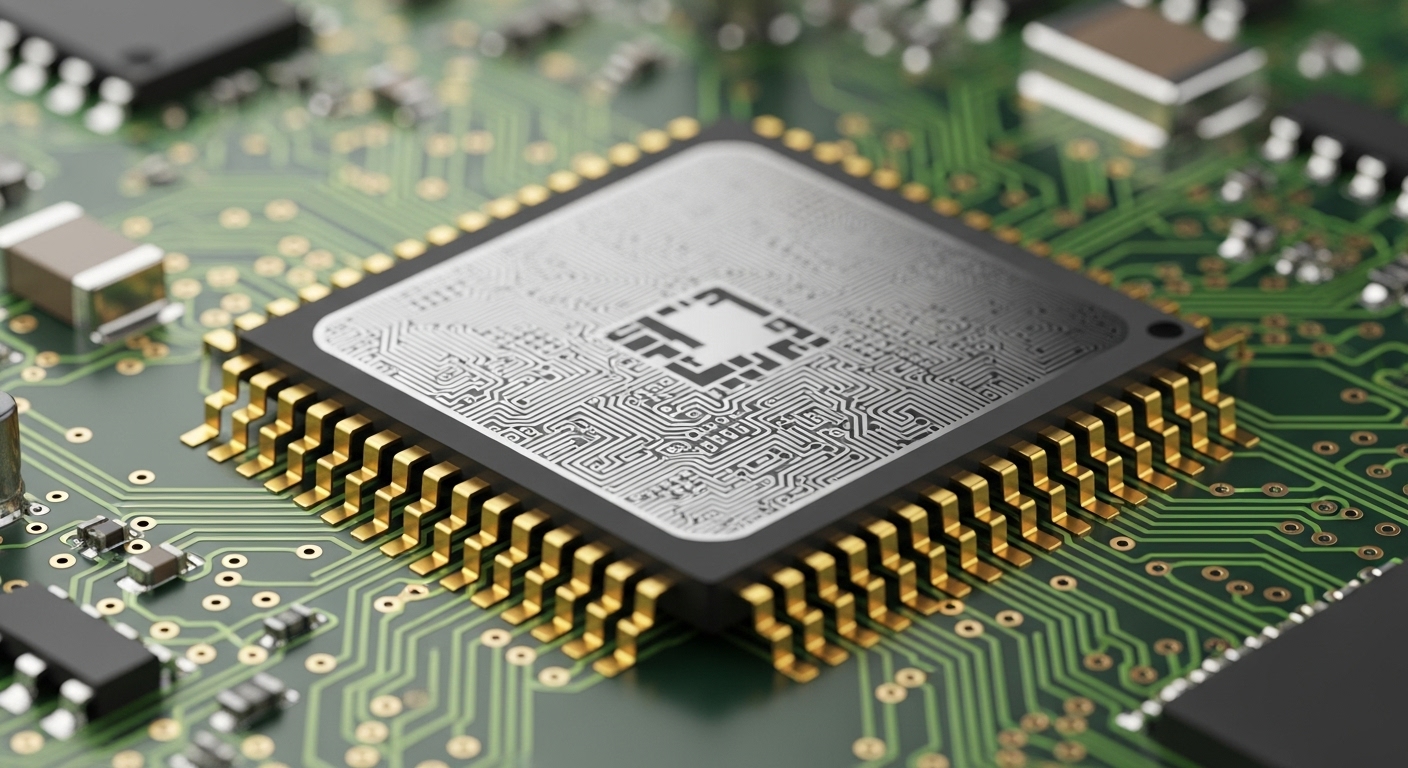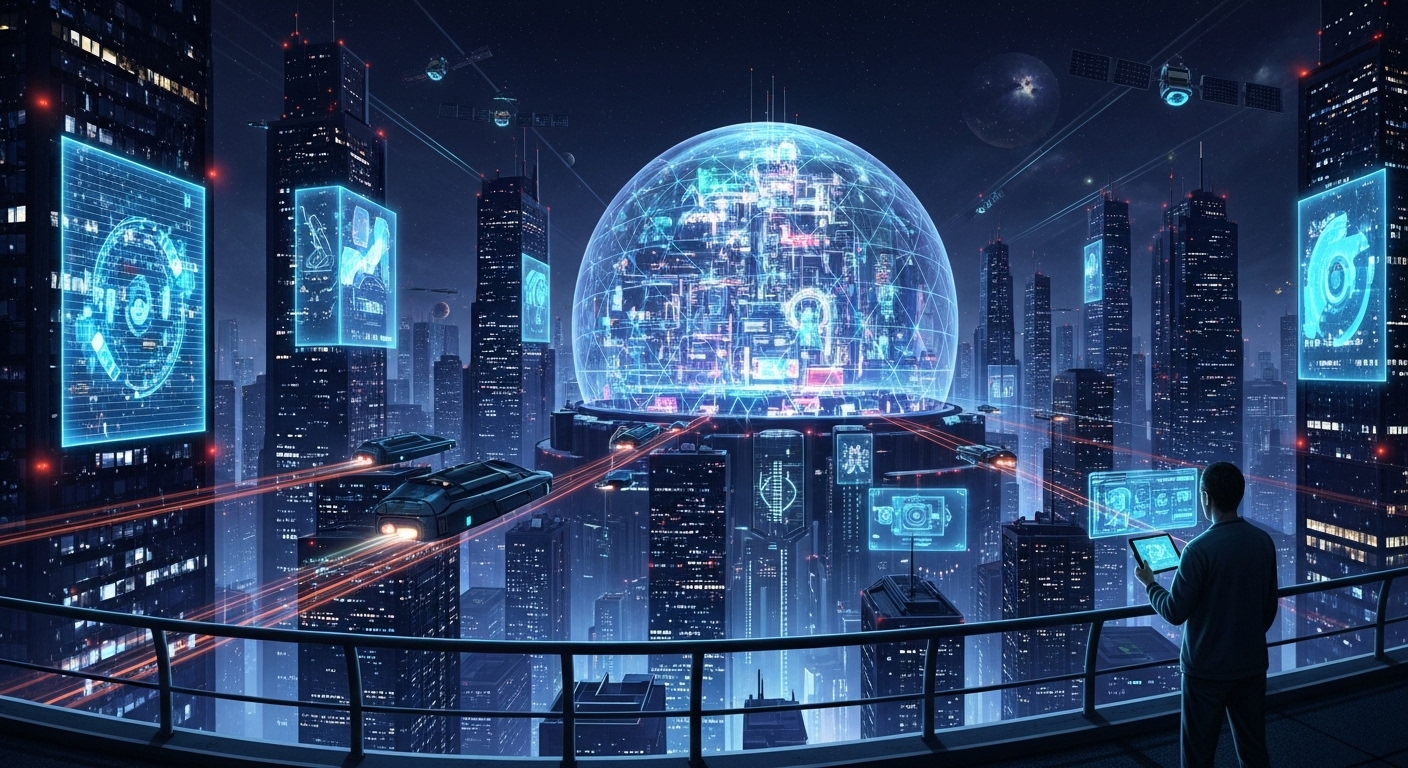

In a world where change is constant, technology stands as the driving force behind the transformation of every facet of life. From artificial intelligence and quantum computing to renewable energy and robotics, the landscape of technology is expanding in exciting new directions. Each advancement opens up possibilities that were once thought to be far beyond reach. The future is unfolding right before our eyes, and we are only beginning to see how deeply technology will influence the way we live, work, and interact with the world. In this post, we’ll dive into the emerging tech trends that are shaping our future.
Artificial Intelligence: Beyond the Buzzword
Artificial Intelligence (AI) is no longer a futuristic concept; it’s already embedded in the fabric of our daily lives. From virtual assistants like Siri and Alexa to sophisticated AI-powered diagnostic tools in healthcare, AI is making an impact in countless ways. But what makes AI truly revolutionary is its ability to learn from data and adapt over time, transforming from simple automation to a powerful decision-making tool.
In the medical field, AI is being used to diagnose diseases, predict patient outcomes, and even assist in surgeries. AI algorithms can analyze medical images faster and more accurately than human doctors, helping to detect issues like cancer at much earlier stages. This ability to learn from vast amounts of data is also enabling AI to provide personalized treatment options, making healthcare more efficient and tailored to individual needs.
AI is not just about replacing humans; it’s about complementing human intelligence and providing tools that can enhance our capabilities. As AI continues to evolve, we will likely see even more profound changes in industries like finance, retail, and customer service, where AI is helping businesses predict trends, manage supply chains, and improve customer experiences.
Quantum Computing: A New Era of Computing Power
Quantum computing has long been a subject of intrigue and speculation. However, it’s now rapidly moving from theory to practice, with companies like IBM, Google, and Microsoft leading the charge. What makes quantum computing so exciting is its potential to solve problems that are currently beyond the reach of classical computers.
Unlike traditional computers that process information in binary (0s and 1s), quantum computers use quantum bits, or qubits, which can represent both 0 and 1 simultaneously. This unique ability, known as superposition, allows quantum computers to perform complex calculations at speeds that would take classical computers millennia to complete.
One of the most promising applications of quantum computing lies in fields like cryptography, where quantum algorithms could crack encryption methods that are considered secure today. In healthcare, quantum computing could accelerate drug discovery by simulating molecular interactions in ways that were previously impossible. The possibilities are virtually limitless, and as quantum computers become more accessible, they will unlock new solutions for a wide range of challenges.
5G: Unlocking the Future of Connectivity
The rollout of 5G technology is one of the most anticipated developments in the world of tech. While we’ve all experienced faster internet speeds with 4G, 5G promises a quantum leap in connectivity that will revolutionize the way we interact with digital services and devices.
5G networks offer not only faster speeds but also significantly lower latency, which is the delay between sending and receiving data. This is particularly important for applications that require real-time communication, such as remote surgery, autonomous vehicles, and interactive gaming. With 5G, self-driving cars will be able to communicate with each other and with infrastructure, making transportation safer and more efficient.
Another exciting aspect of 5G is its capacity to handle a massive number of connected devices simultaneously. This will enable the Internet of Things (IoT) to grow exponentially, with everything from home appliances to industrial machines being connected and communicating seamlessly. As 5G becomes more widespread, it will unlock entirely new ways to interact with the world, both in our personal lives and in business.
Blockchain: Redefining Trust and Security
Blockchain technology is best known for powering cryptocurrencies like Bitcoin, but its potential extends far beyond digital currencies. At its core, blockchain is a decentralized, secure, and transparent system for recording transactions, making it an ideal solution for industries that rely on trust and transparency.
In the financial world, blockchain can simplify and speed up cross-border transactions by eliminating the need for intermediaries like banks. By creating an immutable ledger of transactions, blockchain ensures that records are tamper-proof and transparent, reducing fraud and increasing trust in the system.
But blockchain’s applications are not limited to finance. In supply chain management, blockchain can track goods from production to delivery, ensuring transparency and reducing fraud. In healthcare, it can securely store patient data, making it easier for doctors and hospitals to share information while protecting patient privacy. As blockchain technology matures, it will become an integral part of many industries, transforming the way we handle data and transactions.
Robotics and Automation: The Workforce of Tomorrow
Automation and robotics are no longer confined to factory floors. From healthcare to retail, robots are becoming an integral part of industries worldwide. These technologies are designed to take over repetitive, dangerous, or complex tasks, increasing efficiency and safety while freeing up human workers to focus on more creative or strategic endeavors.
In healthcare, robots are already assisting in surgeries, providing precision and reducing the risk of human error. Robots are also being used to deliver supplies, disinfect hospital rooms, and even monitor patient vital signs. As robots become more sophisticated, they will play an increasingly important role in patient care, particularly in remote or underserved areas.
In the retail industry, automation is streamlining supply chains and improving inventory management. Autonomous delivery robots and drones are already being tested by companies like Amazon to speed up deliveries. Robotics will also have a profound impact on agriculture, with autonomous machines capable of planting, watering, and harvesting crops more efficiently than human labor.
As automation advances, there will inevitably be concerns about job displacement. However, automation doesn’t necessarily mean fewer jobs; rather, it creates opportunities for workers to engage in more meaningful and specialized roles, while robots handle the more mundane tasks.
Renewable Energy: Technology for a Sustainable Future
As climate change becomes an increasingly urgent issue, renewable energy technologies are emerging as one of the most vital solutions for a sustainable future. Solar, wind, and hydropower are already well-established sources of clean energy, but new technologies are making renewable energy even more efficient and cost-effective.
One of the most promising innovations in renewable energy is energy storage. Batteries, such as lithium-ion, are becoming cheaper and more powerful, allowing us to store energy generated from solar or wind power for use when conditions aren’t ideal. This means that renewable energy can be used around the clock, reducing our reliance on fossil fuels.
Smart grids are another key technology that will help optimize energy usage. These grids can balance supply and demand in real time, directing power where it’s needed most and minimizing waste. As renewable energy technologies continue to improve, they will play a crucial role in creating a cleaner, more sustainable energy system.
Conclusion: Embracing the Tech Future
The rapid advancements in technology are not just changing the way we live but are also reshaping entire industries. From AI and quantum computing to blockchain and renewable energy, emerging tech trends are creating new opportunities for growth, innovation, and sustainability.
As we look to the future, it’s clear that technology will continue to be a driving force in solving some of the world’s most pressing challenges. However, with these innovations come responsibilities. As technology becomes more powerful, we must ensure it is used ethically and inclusively, benefiting all of humanity.
The future is unfolding faster than ever, and the tech frontier holds endless possibilities. The only question is, are we ready to embrace it?