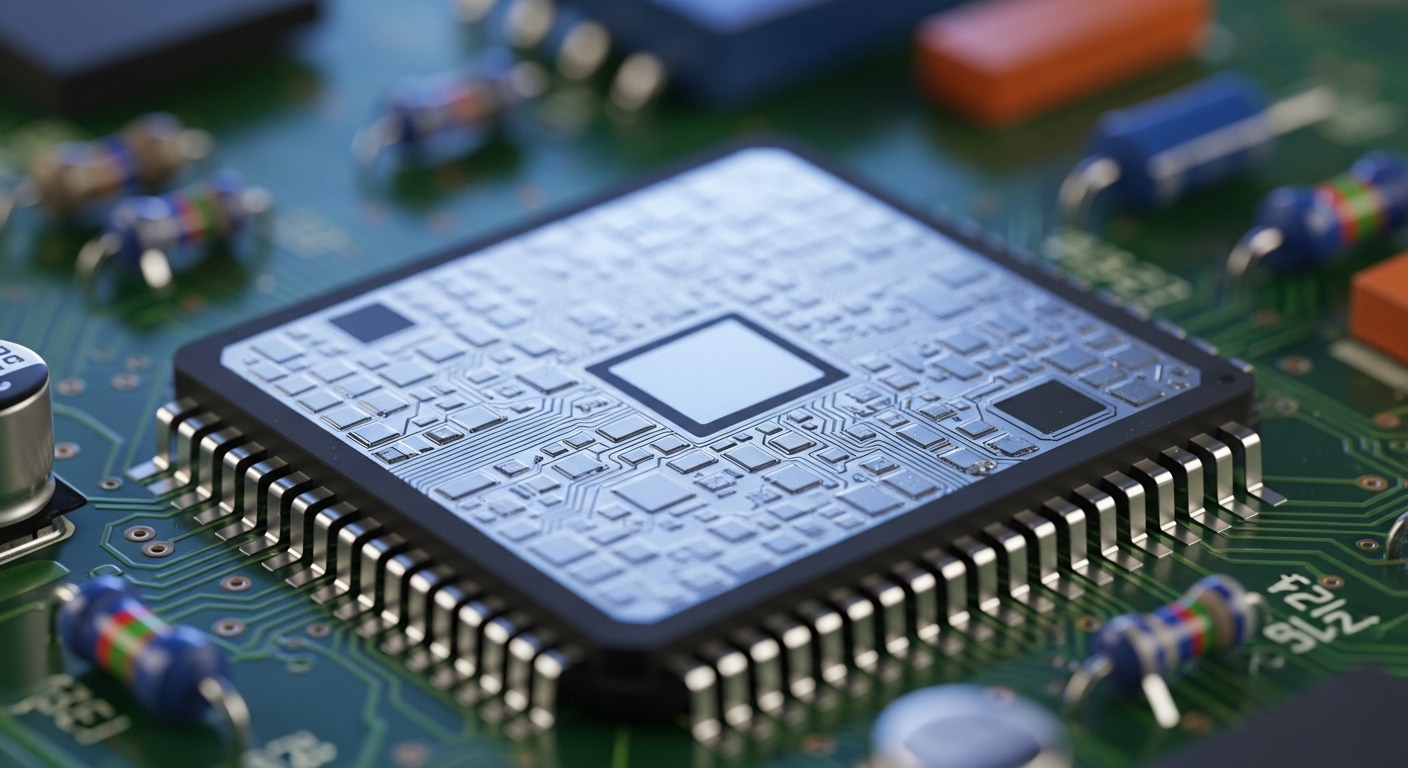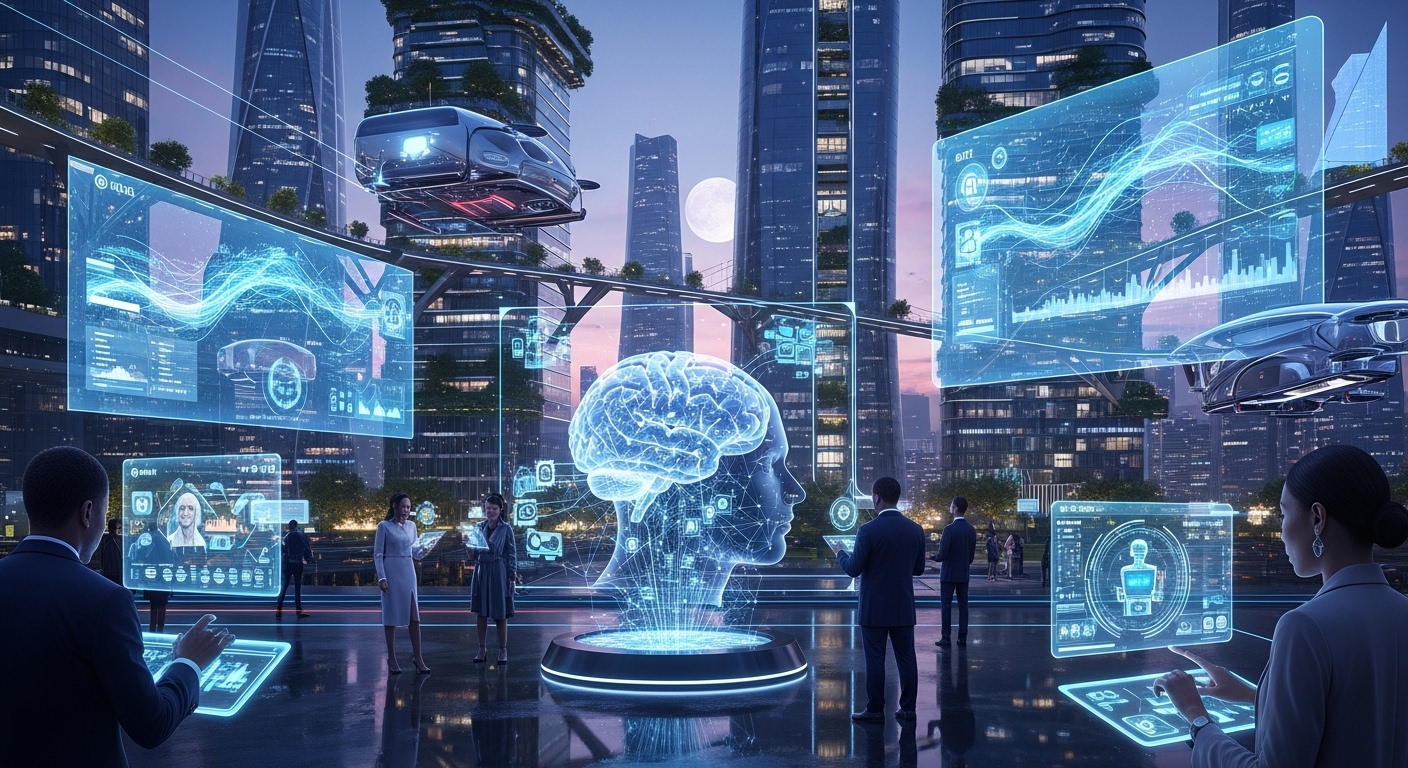
Technology has always been a driving force behind human progress. From the discovery of fire to the creation of the internet, every major leap in civilization has been fueled by technological advancement. Today, we stand on the brink of even more profound changes. Emerging technologies such as artificial intelligence, quantum computing, and biotechnology are reshaping industries, societies, and even the human experience itself. This blog explores how technology is revolutionizing our world and what the future holds for our increasingly digital society.
The Age of Artificial Intelligence
Artificial Intelligence (AI) has moved from science fiction into the fabric of our daily lives. Once limited to fictional portrayals in movies like The Terminator or 2001: A Space Odyssey, AI is now an integral part of industries ranging from healthcare to finance to entertainment. AI systems can analyze vast amounts of data, make decisions, and even predict outcomes with incredible accuracy. Machine learning, a subset of AI, has enabled systems to “learn” from experience, meaning they can continually improve their performance without human intervention.
In healthcare, AI is already transforming diagnostics and treatment planning. AI algorithms are being trained to recognize patterns in medical imaging, sometimes detecting diseases like cancer more accurately than human doctors. In the financial sector, AI is revolutionizing everything from fraud detection to investment strategies. In the world of entertainment, AI-driven recommendation systems on platforms like Netflix and YouTube have changed the way we discover content.
But the potential of AI goes beyond just industry applications. AI has the power to address global challenges like climate change, food security, and disease prevention. Smart cities powered by AI could optimize traffic flow, reduce energy consumption, and improve public safety. The possibilities are endless, but so are the ethical questions. As AI becomes more powerful, the debate over data privacy, bias in algorithms, and the potential loss of jobs to automation will only intensify.
Quantum Computing: A New Frontier
Quantum computing is one of the most exciting and complex areas of modern technology. Unlike classical computers, which use bits as the smallest unit of data (representing a 0 or 1), quantum computers use quantum bits, or qubits, which can exist in multiple states simultaneously. This phenomenon, known as superposition, allows quantum computers to perform certain calculations at speeds far beyond the capabilities of today’s most advanced supercomputers.
While quantum computing is still in its infancy, it holds the promise of solving problems that are currently unsolvable. For example, quantum computers could revolutionize fields like cryptography, material science, and drug discovery. In cryptography, quantum computers could potentially break current encryption methods, making it crucial for researchers to develop quantum-resistant algorithms. In drug discovery, quantum computers could simulate molecular interactions at a scale and speed never before possible, potentially accelerating the development of new treatments.
However, the development of quantum computing faces significant technical challenges. Qubits are incredibly sensitive to their environment, and maintaining their quantum state long enough to perform meaningful calculations is extremely difficult. Researchers are working hard to overcome these obstacles, but it may still take years, if not decades, before quantum computing becomes mainstream.
Biotechnology and the Human Genome
Advancements in biotechnology are another area where technology is rapidly changing the landscape of medicine, agriculture, and even the definition of what it means to be human. One of the most significant breakthroughs in recent years has been the mapping of the human genome. The completion of the Human Genome Project in 2003 marked the beginning of a new era in personalized medicine. Today, scientists are using genetic information to develop treatments tailored to an individual’s unique genetic makeup, increasing the chances of successful outcomes.
Gene editing technologies, such as CRISPR-Cas9, have also made it possible to modify the DNA of living organisms, opening up the potential for curing genetic diseases, enhancing crops, and even creating genetically modified humans. The ethical implications of gene editing are still being debated, particularly when it comes to editing the human germline, which could affect future generations.
In agriculture, biotechnology is helping to create genetically modified crops that are more resistant to pests, diseases, and environmental stress. These innovations could play a significant role in addressing global food security as the world’s population continues to grow.
However, biotechnology also raises questions about the potential for misuse. While gene editing could cure genetic disorders, it also has the potential to create “designer babies,” raising concerns about eugenics and social inequality. As biotechnology advances, it will be essential to ensure that it is developed and applied responsibly.
The Internet of Things (IoT) and Smart Living
The Internet of Things (IoT) refers to the growing network of devices that are connected to the internet and can communicate with each other. From smart thermostats to connected refrigerators to wearable health trackers, IoT devices are becoming an integral part of everyday life. These devices collect and exchange data, enabling users to automate and optimize various aspects of their lives.
In smart homes, IoT technology is transforming the way we live. Home automation systems allow people to control everything from lighting and security to temperature and entertainment using their smartphones. IoT-enabled appliances can alert users when they need maintenance or replacement, saving time and reducing energy consumption. In the healthcare sector, IoT devices like wearable fitness trackers and remote monitoring systems help individuals manage their health and allow doctors to monitor patients from a distance, improving outcomes and reducing costs.
On a larger scale, IoT has the potential to transform entire cities. Smart cities, powered by IoT, can optimize traffic management, waste disposal, water distribution, and energy usage. This could lead to more sustainable, efficient, and livable urban environments, particularly as the global population continues to urbanize.
However, the proliferation of IoT devices also raises significant security and privacy concerns. Each connected device is a potential entry point for hackers, and the vast amount of data generated by IoT devices presents challenges for data management and protection. As IoT continues to grow, so too will the need for robust cybersecurity frameworks.
Blockchain Technology and Its Disruptive Potential
Blockchain technology, best known as the foundation of cryptocurrencies like Bitcoin, is increasingly being explored for its applications beyond digital currencies. Blockchain is essentially a decentralized and transparent ledger that records transactions across multiple computers. Because it is tamper-resistant and secure, blockchain has the potential to disrupt various industries, including finance, supply chain management, and even voting systems.
In finance, blockchain can streamline cross-border payments, reduce fraud, and improve transparency. The rise of decentralized finance (DeFi) platforms, powered by blockchain, is challenging traditional banking systems by enabling peer-to-peer transactions without intermediaries. In supply chain management, blockchain can track the provenance of goods, ensuring that products are ethically sourced and not subject to fraud.
Blockchain is also being explored for its potential in voting systems. Traditional voting systems are vulnerable to fraud and tampering, but blockchain offers a way to create secure, transparent, and verifiable digital voting systems. This could help restore trust in the electoral process, particularly in regions with a history of election interference.
However, the widespread adoption of blockchain faces challenges, including scalability, energy consumption, and regulatory concerns. Blockchain-based cryptocurrencies, in particular, have been criticized for their environmental impact due to the high energy consumption required for mining operations. As blockchain technology matures, solutions to these challenges will need to be developed to ensure its sustainable growth.
The Impact of 5G and the Future of Connectivity
5G technology is set to revolutionize the way we connect to the internet and each other. With faster speeds, lower latency, and greater bandwidth, 5G will enable new applications that were previously impossible with 4G technology. From self-driving cars to augmented reality to smart factories, 5G will power a new era of connectivity.
One of the most exciting prospects of 5G is its ability to support the Internet of Things (IoT) on an unprecedented scale. With faster speeds and lower latency, 5G can enable real-time communication between millions of connected devices, opening the door to innovations like smart cities, connected healthcare, and autonomous vehicles.
In healthcare, 5G can improve telemedicine by enabling high-quality video consultations and remote surgeries. In manufacturing, 5G can support smart factories where machines communicate with each other to optimize production processes. And in entertainment, 5G will unlock new experiences in virtual reality (VR) and augmented reality (AR), allowing users to immerse themselves in fully interactive digital worlds.
However, the rollout of 5G also comes with challenges. The infrastructure required to support 5G is costly and complex, and there are concerns about the potential health effects of increased electromagnetic radiation. Despite these challenges, 5G is expected to be a game-changer, with transformative effects on every aspect of society.
Conclusion
Technology is advancing at an unprecedented rate, transforming every facet of our lives, from the way we work and communicate to the way we receive healthcare and manage our daily routines. While these innovations bring incredible opportunities, they also pose significant challenges that must be addressed to ensure that they benefit society as a whole. The future of technology is bright, but it will require careful consideration and responsible development to navigate its complexities and ensure that it contributes to a better world for all.