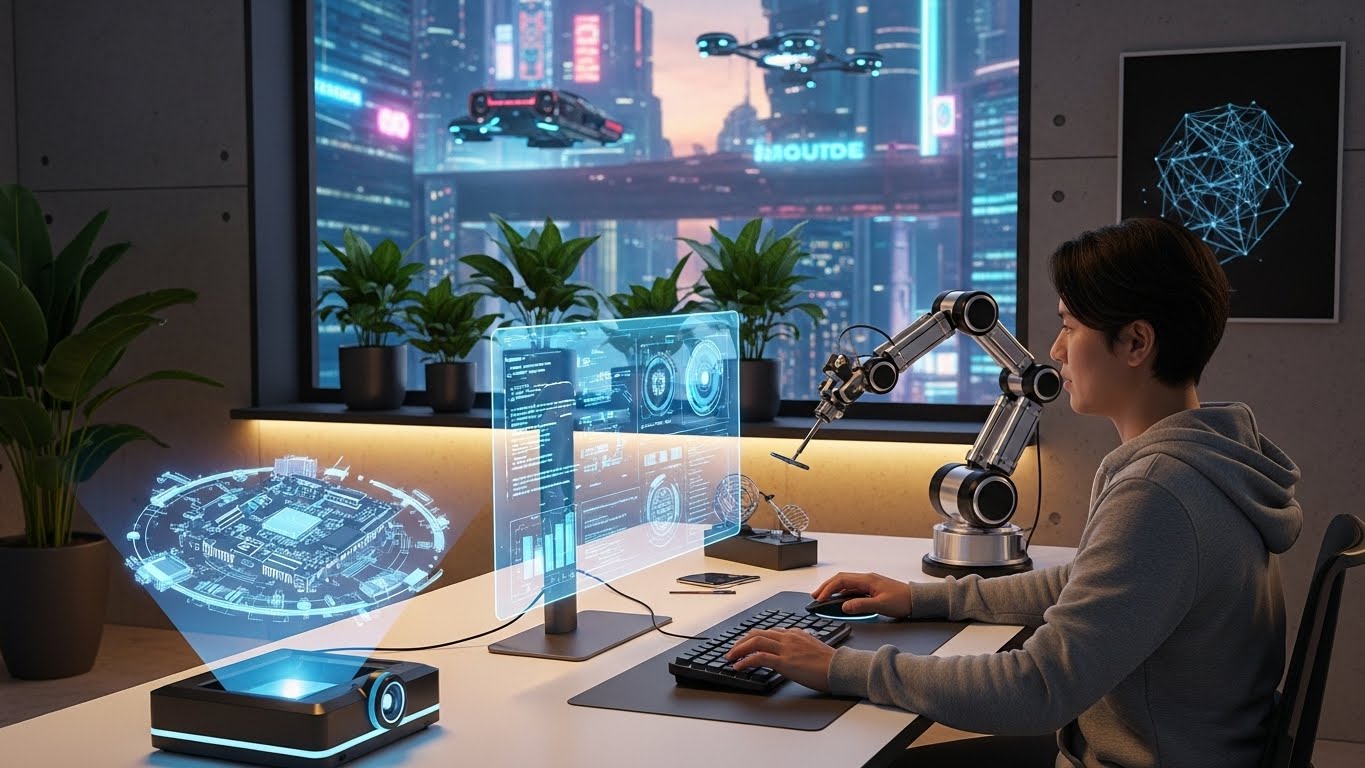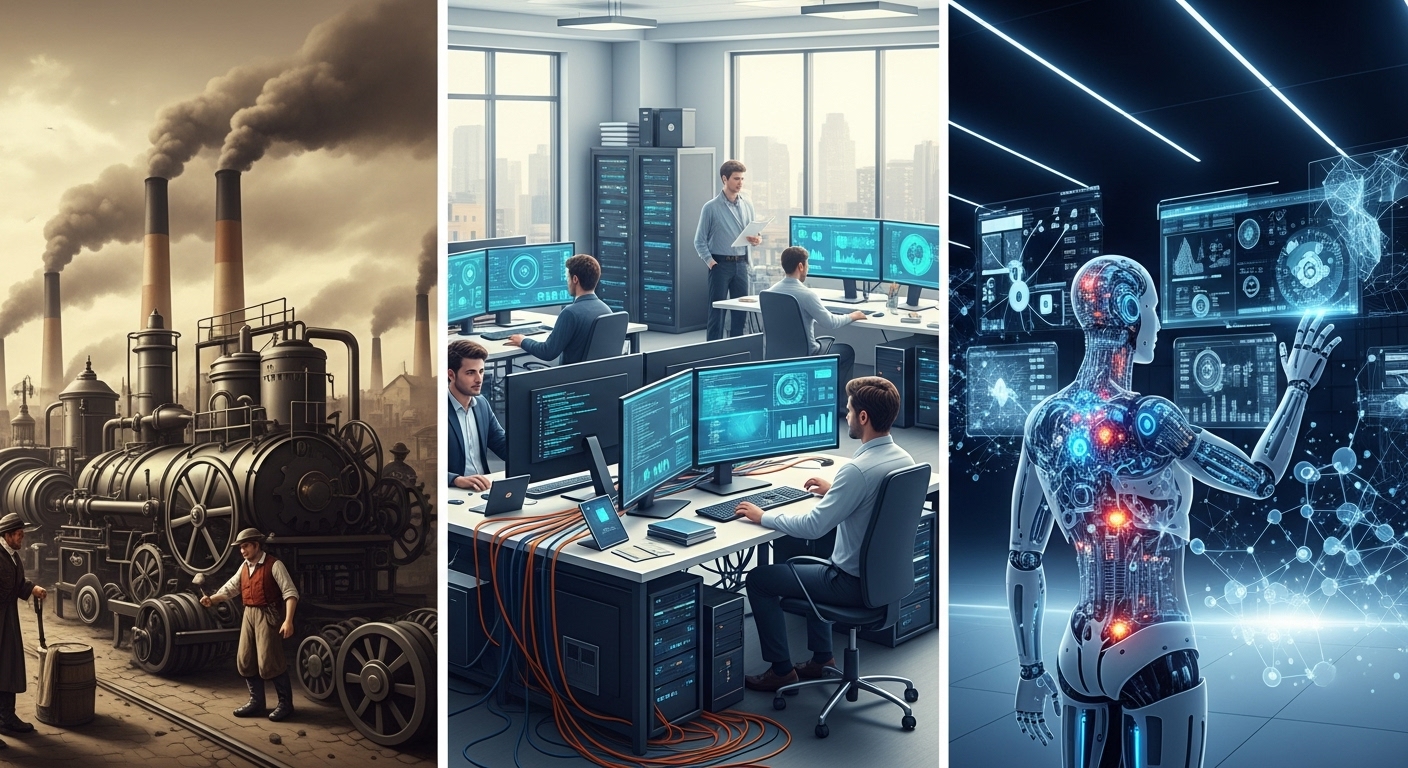

In the past few decades, technology has evolved at a breathtaking pace. From simple innovations like the personal computer to the cutting-edge advancements in artificial intelligence and biotechnology, technology has become the driving force behind the way we live, work, and interact. As we stand at the precipice of even more groundbreaking changes, it’s important to reflect on how far we’ve come and how these technological shifts are shaping our future. This blog post will explore the current state of technology and its impact on society, focusing on its influence on communication, work, healthcare, and daily life.
The Rise of Smart Communication
The way we communicate today is vastly different from just a few decades ago. While traditional methods like landline phones and face-to-face meetings were once the norm, the advent of smartphones and digital communication platforms has drastically altered how we interact with others.
Smartphones have revolutionized communication by providing users with an all-in-one device that can send messages, make calls, access the internet, and even perform tasks that were once thought impossible. Apps like WhatsApp, Telegram, and Facebook Messenger allow instant messaging and video calls, bridging the geographical gaps that once separated people. Social media platforms, such as Twitter, Instagram, and LinkedIn, have also become vital tools for networking, information sharing, and community building.
The integration of AI and machine learning into communication tools has further enhanced the way we interact. Virtual assistants like Siri, Google Assistant, and Alexa allow users to perform tasks through voice commands, making life more convenient. Chatbots, powered by AI, are now widely used by businesses to provide customer support, answer questions, and even carry out transactions. These advances have streamlined communication, improved accessibility, and made it easier for people to stay connected in real-time, no matter where they are in the world.
The Changing Face of Work: Automation and Remote Collaboration
Technology’s influence on the workforce has been nothing short of transformative. In the past, most jobs required physical presence in an office or factory setting. Today, digital tools have enabled a shift toward more flexible work arrangements, including remote work and freelance gigs, making the idea of a traditional 9-to-5 job seem increasingly outdated.
The most notable change in the workplace is automation. Automation, powered by AI and robotics, is reshaping industries from manufacturing to finance. Robots in factories can now assemble products, while AI-driven algorithms are used to analyze data, automate repetitive tasks, and even make complex decisions. In sectors like finance and marketing, automation is streamlining processes, improving efficiency, and reducing human error. While there are concerns about job displacement, automation is also creating new opportunities. For instance, there is an increasing demand for professionals in fields like AI development, data science, and robotics.
The rise of digital collaboration tools has further contributed to the changing face of work. Platforms like Zoom, Slack, and Microsoft Teams have made remote work more efficient than ever before. Teams can now collaborate seamlessly across borders and time zones, breaking down geographical barriers and allowing businesses to tap into a global talent pool. The COVID-19 pandemic accelerated this trend, and many organizations are now adopting hybrid models that combine remote and in-office work. These changes have led to a rethinking of how work is structured, with an emphasis on flexibility, autonomy, and results over rigid office hours.
Health and Medicine: Technology’s Role in Saving Lives
In healthcare, technology has brought about some of the most life-changing advancements in history. From revolutionary medical imaging techniques to the rise of telemedicine, technology is transforming how we diagnose, treat, and manage diseases.
One of the most significant innovations in healthcare is the development of AI-powered diagnostic tools. AI algorithms are being used to analyze medical images, such as X-rays, CT scans, and MRIs, to detect abnormalities like tumors, fractures, or heart disease. These AI systems can often detect issues earlier and more accurately than human doctors, leading to better patient outcomes. For example, in oncology, AI has shown promising results in identifying early-stage cancers that may be missed by human clinicians.
Telemedicine is another area where technology is making a significant impact. Remote consultations with healthcare providers via video calls have become a lifeline for patients who live in remote areas or have difficulty accessing in-person care. Telemedicine not only increases convenience but also reduces the burden on healthcare systems, particularly in times of crisis, such as the COVID-19 pandemic. Furthermore, wearable devices, like fitness trackers and smartwatches, are enabling individuals to monitor their health in real-time, track vital signs, and detect potential health issues before they become severe.
Moreover, the field of biotechnology is advancing rapidly, offering new treatments and cures for diseases that were once thought incurable. Gene editing technologies like CRISPR have opened the door to potential cures for genetic disorders, while personalized medicine, powered by genomic data, allows doctors to tailor treatments to an individual’s specific genetic makeup, improving the chances of successful outcomes.
The Digital Transformation of Education
Education is another sector that has been significantly impacted by technology. The traditional classroom setup, where students sit in rows listening to a teacher, is increasingly being replaced by online learning platforms, interactive tools, and virtual classrooms. The advent of digital education has made learning more accessible, personalized, and efficient.
Online education platforms such as Coursera, edX, and Udemy have made it possible for anyone with an internet connection to access high-quality courses from top universities and institutions. Students can now learn at their own pace, choosing from a wide range of subjects, from computer programming to graphic design, and even soft skills like leadership and communication. This has democratized education, allowing individuals from all backgrounds to acquire knowledge and skills that were once inaccessible.
Moreover, technology has enabled personalized learning experiences. AI-driven educational tools can analyze students’ strengths and weaknesses, tailoring content and assessments to their individual needs. For instance, platforms like Khan Academy and Duolingo use algorithms to adjust the difficulty of exercises based on a student’s progress, helping them learn at a pace that suits them. Virtual reality (VR) and augmented reality (AR) are also being used to create immersive learning experiences, allowing students to explore historical events, conduct virtual science experiments, or practice real-world skills in a controlled environment.
Technology has also transformed the way teachers engage with students. With tools like Google Classroom, Edmodo, and Microsoft Teams, teachers can easily assign homework, provide feedback, and facilitate collaboration among students. These platforms allow for a more interactive and engaging learning experience, whether in-person or online.
Entertainment and Media: A New Era of Content Consumption
The entertainment industry has been radically reshaped by technological advancements. The way we consume media—be it movies, music, or television—has changed dramatically in the past decade. Streaming platforms like Netflix, Spotify, and YouTube have disrupted traditional models of entertainment, giving consumers instant access to vast libraries of content.
Streaming services have not only changed how people watch TV and movies, but they’ve also transformed the content itself. Original programming on platforms like Netflix and Amazon Prime Video has become a driving force in the industry, with productions like Stranger Things and The Mandalorian gaining worldwide acclaim. With the rise of content creators on YouTube, TikTok, and other platforms, individuals can now produce and distribute their own videos, music, and podcasts to global audiences. This shift has democratized entertainment, allowing for more diversity, creativity, and innovation in the content we consume.
The gaming industry has also experienced a technological revolution. The development of more powerful consoles and the rise of virtual and augmented reality gaming have brought new levels of immersion to the gaming experience. Cloud gaming services like Google Stadia and Microsoft xCloud are making it easier for players to access high-quality games without the need for expensive hardware. Esports, or competitive video gaming, has evolved into a multi-billion-dollar industry, with professional players, large audiences, and corporate sponsorships driving its rapid growth.
The Future of Technology: What Lies Ahead?
As we look to the future, it’s clear that technology will continue to shape every aspect of our lives. Advancements in artificial intelligence, quantum computing, and biotechnology promise to unlock new possibilities and solve some of the world’s most pressing challenges.
AI will continue to evolve, becoming more intuitive and capable of handling increasingly complex tasks. In healthcare, AI could lead to breakthrough treatments for diseases like cancer, Alzheimer’s, and diabetes, while in business, it will help optimize everything from customer service to logistics. Quantum computing, which promises to solve problems that current computers can’t, could revolutionize industries ranging from cryptography to climate modeling.
The rise of renewable energy technologies, coupled with advances in battery storage and energy efficiency, could help mitigate the effects of climate change and shift us toward a more sustainable future. Meanwhile, biotechnology will continue to open new frontiers in human health, with personalized treatments, gene therapy, and regenerative medicine leading the way.
At the same time, the ethical implications of emerging technologies must be carefully considered. Issues surrounding data privacy, AI bias, and the potential for job displacement will require thoughtful solutions and global cooperation.
Conclusion: Embracing the Digital Future
Technology is no longer a separate part of our lives; it has become ingrained in everything we do. It shapes how we communicate, work, learn, entertain ourselves, and even how we take care of our health. The rapid pace of technological change presents both opportunities and challenges, but one thing is certain: the future is digital, and the possibilities are limitless.
As we continue to innovate and adapt, technology will undoubtedly transform the world in ways we can’t yet imagine. The key is to harness its power responsibly, ensuring that these advancements benefit everyone and help create a more connected, equitable, and sustainable world for generations to come. Embracing this digital revolution, while being mindful of its implications, will pave the way for a brighter future.