
Introduction
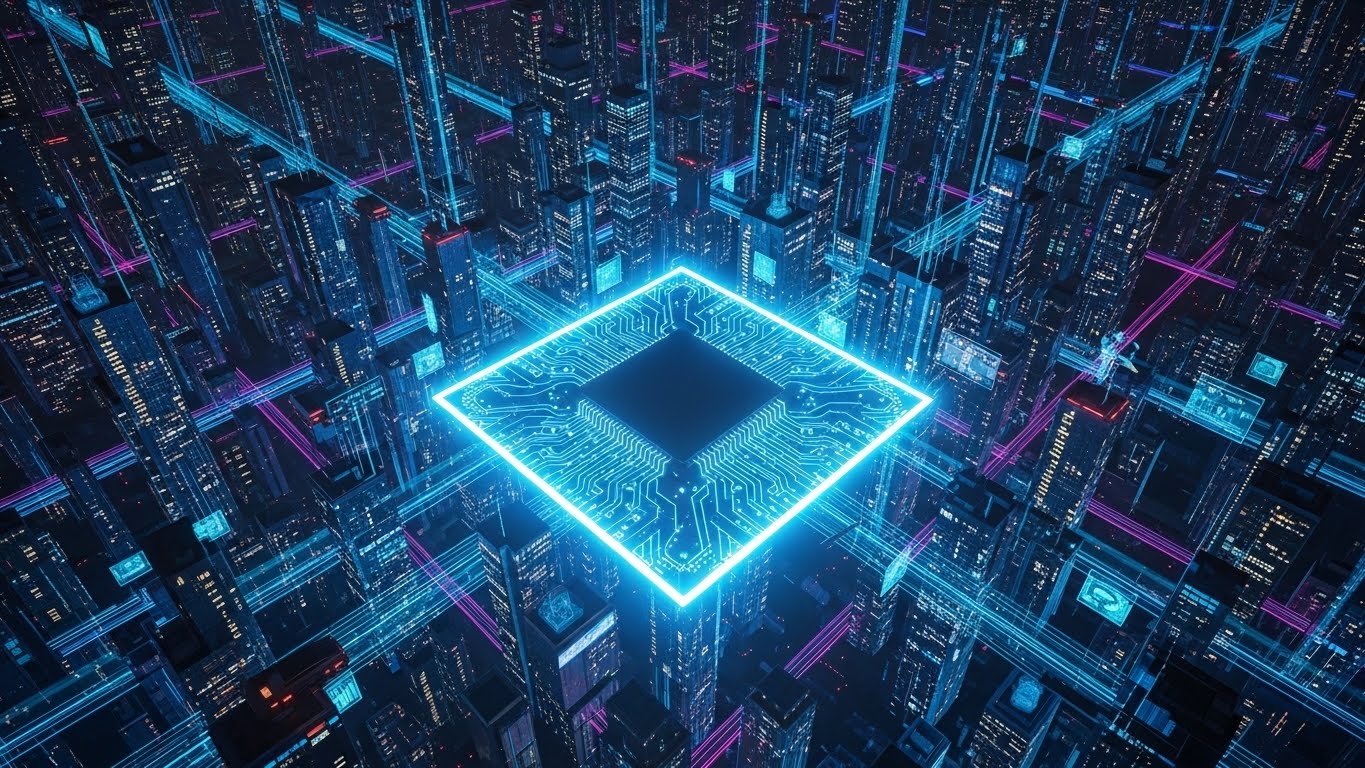
Technology has become the heartbeat of the modern era. From the moment we wake up to the time we go to sleep, we are surrounded by digital innovation that shapes how we live, work, communicate, and even think. Over the past few decades, the pace of technological progress has accelerated dramatically, revolutionizing every sector of human existence. This blog explores how technology has evolved, its impact on various aspects of life, and what the future may hold as we move further into the digital age.
The Evolution of Technology
The journey of technology began with simple tools created by early humans to make survival easier. Over time, inventions such as the wheel, printing press, steam engine, and electricity laid the foundation for human advancement. However, the twentieth century marked a true turning point with the rise of computers and the internet. These innovations opened doors to a digital world where information became accessible to all. Today, we have entered an era defined by artificial intelligence, automation, robotics, and smart devices, which continue to reshape every dimension of society.
The Role of Artificial Intelligence in Modern Life
Artificial Intelligence (AI) has become one of the most influential forces of modern technology. It powers voice assistants, recommendation systems, healthcare diagnostics, and self-driving vehicles. AI mimics human intelligence, enabling machines to learn, analyze, and make decisions. In industries, AI improves efficiency, reduces costs, and enhances productivity. In our daily lives, it simplifies tasks, from managing smart homes to personalizing entertainment experiences. However, with its growing dominance, ethical questions arise regarding privacy, job displacement, and the role of human judgment in automated systems.
The Revolution of Communication Technology
Communication has evolved more in the last twenty years than in the previous hundred. The internet and mobile technology have erased physical boundaries, enabling instant connection across the globe. Video calls, social media platforms, and messaging apps have turned the world into a global village. Technology has not only changed how people communicate but also how businesses operate, how governments engage with citizens, and how individuals express themselves. The rise of virtual reality and augmented reality also promises to redefine communication by creating immersive experiences that blur the line between the digital and the physical world.
The Impact of Technology on Education
Education has been one of the biggest beneficiaries of technological advancement. Traditional classrooms have transformed into digital learning environments where students can access knowledge from anywhere. Online learning platforms, virtual classrooms, and educational apps have made education more inclusive and personalized. Technology bridges the gap between teachers and learners, offering tools that cater to individual learning styles. Artificial intelligence now assists educators in designing adaptive learning programs, ensuring every student progresses at their own pace. The result is a globalized education system that prepares learners for a rapidly changing world.
Technology in Healthcare: Saving Lives through Innovation
Healthcare technology has made remarkable strides in improving human well-being. Modern hospitals rely on digital systems for patient care, diagnostics, and research. Telemedicine allows doctors to consult with patients remotely, bringing healthcare to even the most remote areas. Advanced medical equipment, robotic surgeries, and AI-driven diagnostic tools have revolutionized medical practice. Wearable health devices now monitor heart rate, sleep, and physical activity, empowering individuals to take control of their health. The combination of data analytics and biotechnology promises to unlock new treatments and even potential cures for diseases once considered incurable.
The Digital Economy: Transforming Business and Work
The global economy has undergone a digital transformation, shifting from traditional industries to technology-driven enterprises. E-commerce, fintech, blockchain, and automation have redefined how businesses operate. Companies leverage big data to understand consumer behavior, optimize operations, and make strategic decisions. Remote work, enabled by digital collaboration tools, has changed workplace culture forever. Entrepreneurs and startups are thriving in this environment, creating new products and services powered by innovation. Technology has democratized business opportunities, allowing small enterprises to compete globally without physical limitations.
Cybersecurity: Protecting the Digital Frontier
As technology expands, so do threats in the digital world. Cybersecurity has become a crucial concern for individuals, businesses, and governments alike. Cyberattacks, data breaches, and online fraud have highlighted the importance of protecting digital assets. Cybersecurity professionals now stand at the front lines of digital defense, developing systems to safeguard sensitive information. The future of cybersecurity depends on building strong encryption, ethical hacking, and awareness among users. Just as locks protect physical homes, cybersecurity protects the digital homes we have built in the online realm.
The Environmental Impact of Technology
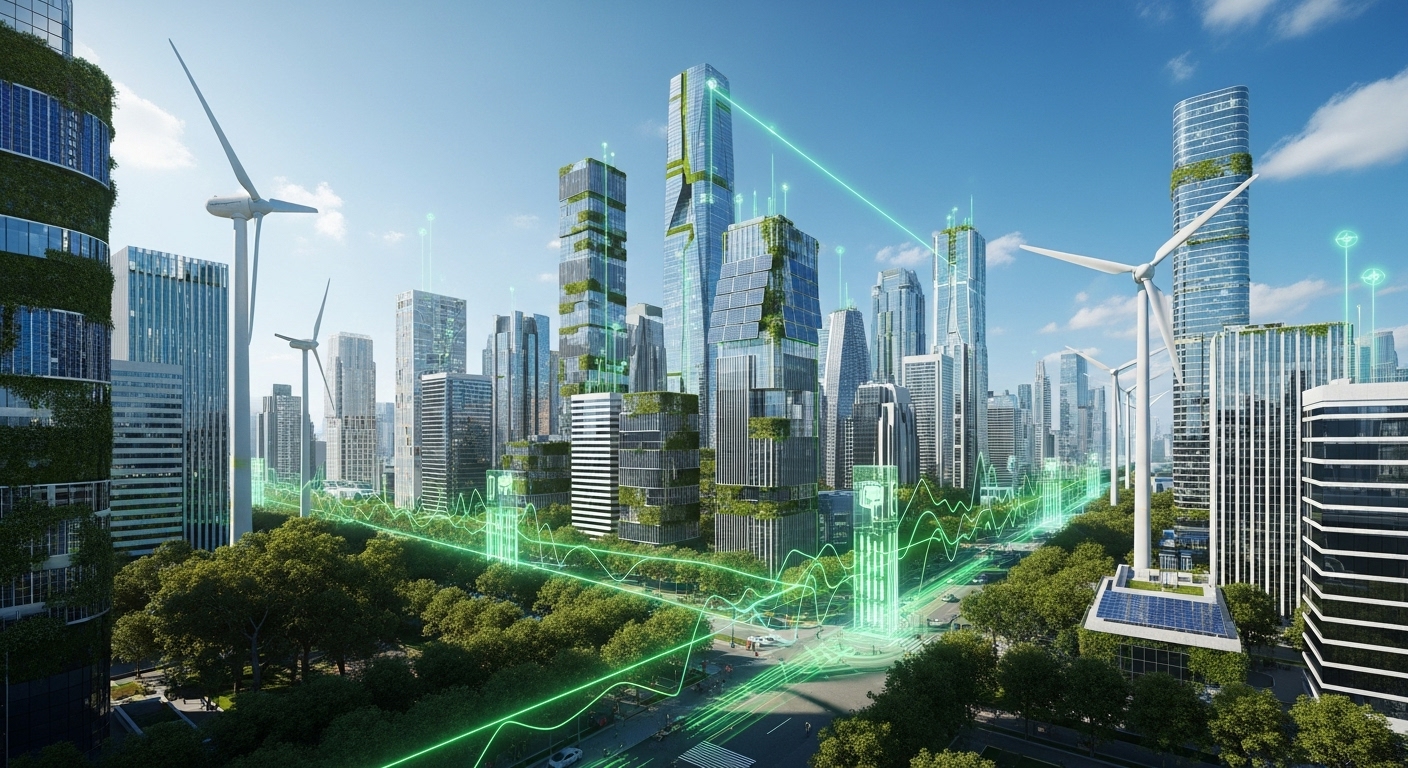
While technology offers countless benefits, it also raises environmental concerns. The production and disposal of electronic devices contribute to pollution and resource depletion. Data centers consume massive amounts of energy to power the internet. However, technology also provides solutions to these problems. Green technologies such as renewable energy, smart grids, and electric vehicles aim to reduce the carbon footprint. Innovations in recycling and sustainable design help create a balance between progress and preservation. The goal is to harness technology for sustainable growth that benefits both humanity and the planet.
The Rise of Smart Cities
The concept of smart cities represents the integration of technology into urban life. Smart cities use sensors, data analytics, and automation to manage resources efficiently. From traffic control to waste management and energy distribution, technology helps cities become more sustainable and livable. Smart infrastructure enhances public safety, transportation, and environmental monitoring. Citizens benefit from improved services, while governments gain tools for better planning and management. As populations grow, smart cities will play a critical role in ensuring that urban development remains both efficient and environmentally responsible.
Technology and Human Creativity
Contrary to the fear that technology stifles creativity, it has actually become a powerful tool for creative expression. Artists, writers, filmmakers, and designers now use digital platforms to explore new frontiers of imagination. Artificial intelligence can compose music, generate art, and assist in creative processes. Virtual reality opens doors to immersive storytelling, while 3D printing allows creators to turn ideas into physical reality. The fusion of technology and creativity has given rise to a new form of art that transcends traditional boundaries, inspiring innovation across industries.
Ethical and Social Challenges of Technology
The rise of technology brings not only progress but also complex ethical and social dilemmas. Issues such as data privacy, misinformation, and digital addiction affect societies worldwide. The influence of algorithms on decision-making raises concerns about fairness and bias. As machines take over more human roles, questions about employment, human identity, and purpose come into focus. It is crucial for developers, governments, and users to ensure that technology serves humanity’s best interests. Ethical guidelines and responsible innovation must become cornerstones of the digital era.
The Future of Technology: What Lies Ahead
The next frontier of technology promises even more transformative changes. Quantum computing, space technology, biotechnology, and advanced robotics are pushing the limits of what humanity can achieve. The fusion of physical and digital worlds through the Internet of Things will make everyday objects smarter and more connected. Artificial general intelligence may redefine what it means to think and learn. As we move toward this future, society must balance innovation with responsibility, ensuring that progress benefits all and not just a privileged few.
Conclusion
Technology has woven itself into every aspect of human life, driving progress and redefining what is possible. It connects people, transforms industries, and provides solutions to some of humanity’s greatest challenges. However, with great power comes great responsibility. The true measure of technological success lies not only in innovation but in its ability to create a better, more equitable world. As we step further into the digital dawn, we must ensure that technology remains a tool for empowerment, sustainability, and shared human advancement.