Introduction: Technology’s Expanding Influence
Technology is no longer just a tool; it has become the backbone of modern civilization, influencing almost every aspect of our lives. From the way we communicate to how we work, shop, and even stay healthy, technology is integral to the structure of our everyday experiences. With each passing year, new advancements shape the landscape of industries and alter the way we live and interact with the world around us. As we venture further into the 21st century, it’s clear that technology will continue to play a pivotal role in shaping the future. In this blog, we will explore the revolutionary impact of technology, focusing on its transformative effects on business, society, and individual lifestyles.
The Digital Revolution: From Computers to Smartphones
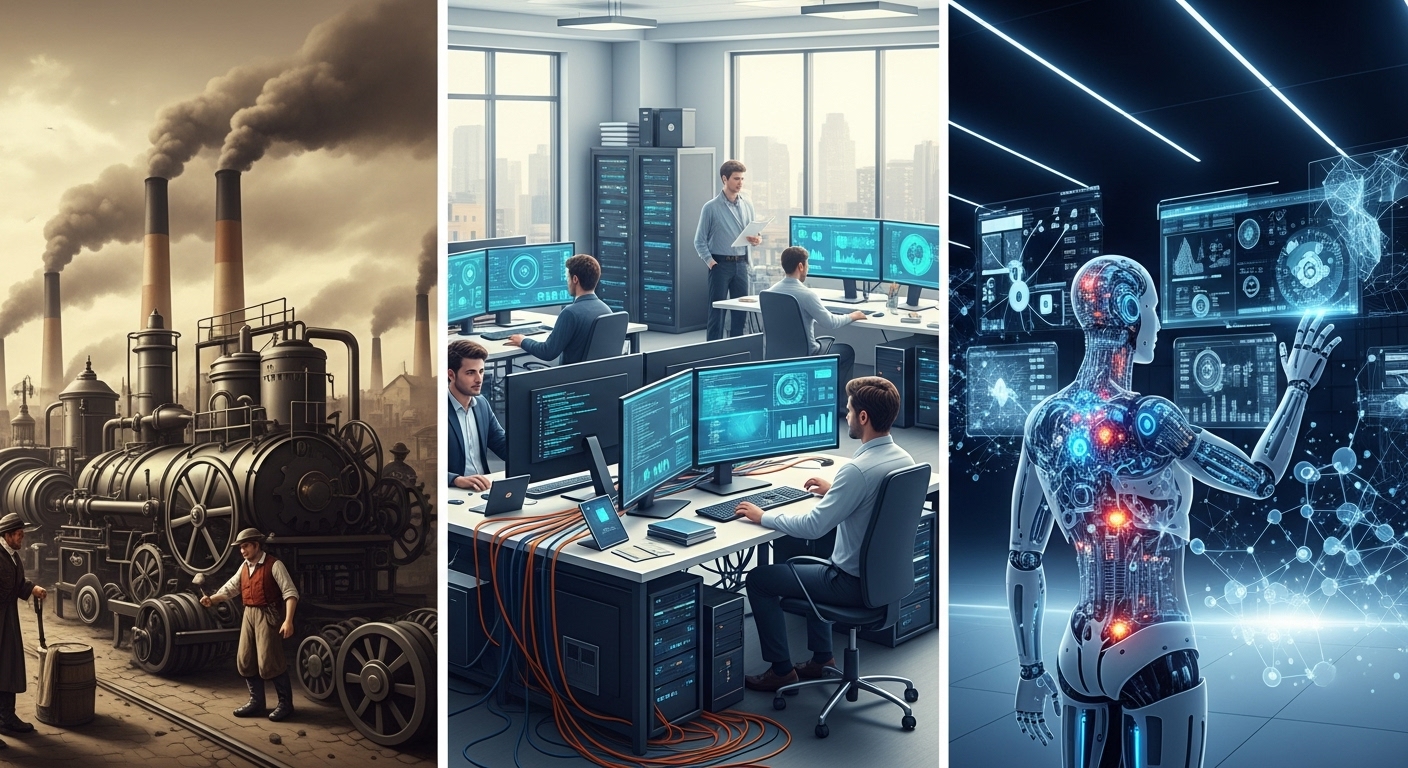
The digital revolution is arguably one of the most significant chapters in human history, and it all began with the invention of the computer. The first computers were massive machines, designed for complex calculations and government or military use. These machines were far from user-friendly and were inaccessible to the average person. However, by the mid-20th century, the advent of the personal computer changed the game.
In the 1980s and 1990s, personal computers began to make their way into homes and small businesses, and the internet soon followed. This led to the rise of the digital age, where individuals were empowered to access vast amounts of information at the click of a button. Over the next few decades, smartphones took the world by storm, putting the power of the internet in the palm of our hands and enabling us to access information, communicate, and entertain ourselves from virtually anywhere.
The smartphone revolution was not just about making calls and sending messages. It became the Swiss army knife of modern life, offering a multitude of functions including navigation, shopping, social media, photography, and even banking. Today, the global smartphone market is worth billions of dollars, and these devices are indispensable in daily life. The evolution from bulky, static computers to sleek, pocket-sized smartphones is a testament to the power of technological innovation and its ability to make our lives more connected, efficient, and convenient.
Artificial Intelligence: The Rise of Smart Machines
One of the most transformative developments in recent years is the rise of artificial intelligence (AI). AI refers to machines that are capable of performing tasks that would typically require human intelligence. This includes processes like learning, problem-solving, and decision-making. The idea of creating machines that could mimic human thinking has been around for decades, but it is only in the last few years that AI has truly begun to take hold across various sectors.
AI is already having a profound impact in fields such as healthcare, where it is being used to diagnose diseases, analyze medical images, and even assist in drug discovery. AI-powered diagnostic tools can analyze medical data with greater accuracy and speed than human doctors, helping to catch conditions like cancer at earlier stages when they are more treatable. Similarly, in finance, AI is being used to detect fraudulent transactions, predict stock market trends, and manage investment portfolios.
In the realm of entertainment, AI is helping create more personalized experiences for consumers. Streaming platforms like Netflix and Spotify use AI algorithms to recommend movies, TV shows, and music based on user preferences, while YouTube and other platforms use AI to curate content that aligns with user interests.
Despite the many benefits, AI also raises ethical concerns, particularly around job displacement, privacy, and the potential misuse of AI in surveillance or military applications. As AI continues to evolve, society must navigate these challenges to ensure that its development is responsible and beneficial to all.
The Internet of Things (IoT): A Network of Smart Devices
The Internet of Things (IoT) is another technology that is drastically changing how we live. The IoT refers to the network of interconnected devices that communicate with each other and the internet, allowing for a smarter, more automated world. From smart homes to wearable devices, IoT has made it possible to control almost every aspect of our daily lives remotely.
Smart home devices like thermostats, lights, and security cameras can be controlled via smartphones, allowing homeowners to adjust settings from anywhere in the world. For example, a smart thermostat can learn your schedule and adjust the temperature in your home to save energy, while smart lights can be programmed to turn on and off at specific times or even change colors based on your mood.
In the healthcare sector, IoT devices are providing real-time monitoring of patients’ vital signs, enabling doctors to track the progress of treatments and make adjustments as needed. Wearables like the Apple Watch and Fitbit are also part of the IoT ecosystem, collecting data on heart rate, steps taken, sleep patterns, and more to help users maintain a healthy lifestyle.
IoT has the potential to increase efficiency, reduce costs, and improve the quality of life. However, it also presents new challenges in terms of cybersecurity. As more devices are connected to the internet, the risk of data breaches and hacking grows. Ensuring that IoT devices are secure and that sensitive data is protected will be a crucial task as this technology continues to proliferate.
The Cloud: Revolutionizing Storage and Accessibility
Cloud computing has become an essential component of modern life, enabling businesses and individuals to store and access data and applications over the internet. Before cloud computing, businesses and individuals relied on physical storage devices like hard drives and external drives to store data. While these methods worked, they often came with limitations in terms of space, security, and accessibility.
With the advent of cloud computing, data can now be stored on remote servers, accessible from any device with an internet connection. Services like Google Drive, Dropbox, and iCloud have made it easier for individuals to store and share documents, photos, and other files securely. For businesses, cloud computing has made it possible to scale operations more easily by renting computing power and storage on-demand, without the need for extensive infrastructure.
Cloud-based applications have also revolutionized how we work. Tools like Google Workspace and Microsoft 365 allow teams to collaborate in real-time, regardless of their physical location. The rise of cloud-based communication tools like Zoom and Slack has made remote work more feasible, enabling teams to stay connected no matter where they are.
The shift to the cloud has brought significant benefits in terms of convenience and cost savings. However, it also raises questions about data privacy and the security of sensitive information stored in the cloud. With the increasing amount of personal and business data being stored in the cloud, protecting this information from cyberattacks and unauthorized access will remain a top priority.
Virtual Reality and Augmented Reality: Transforming Experiences
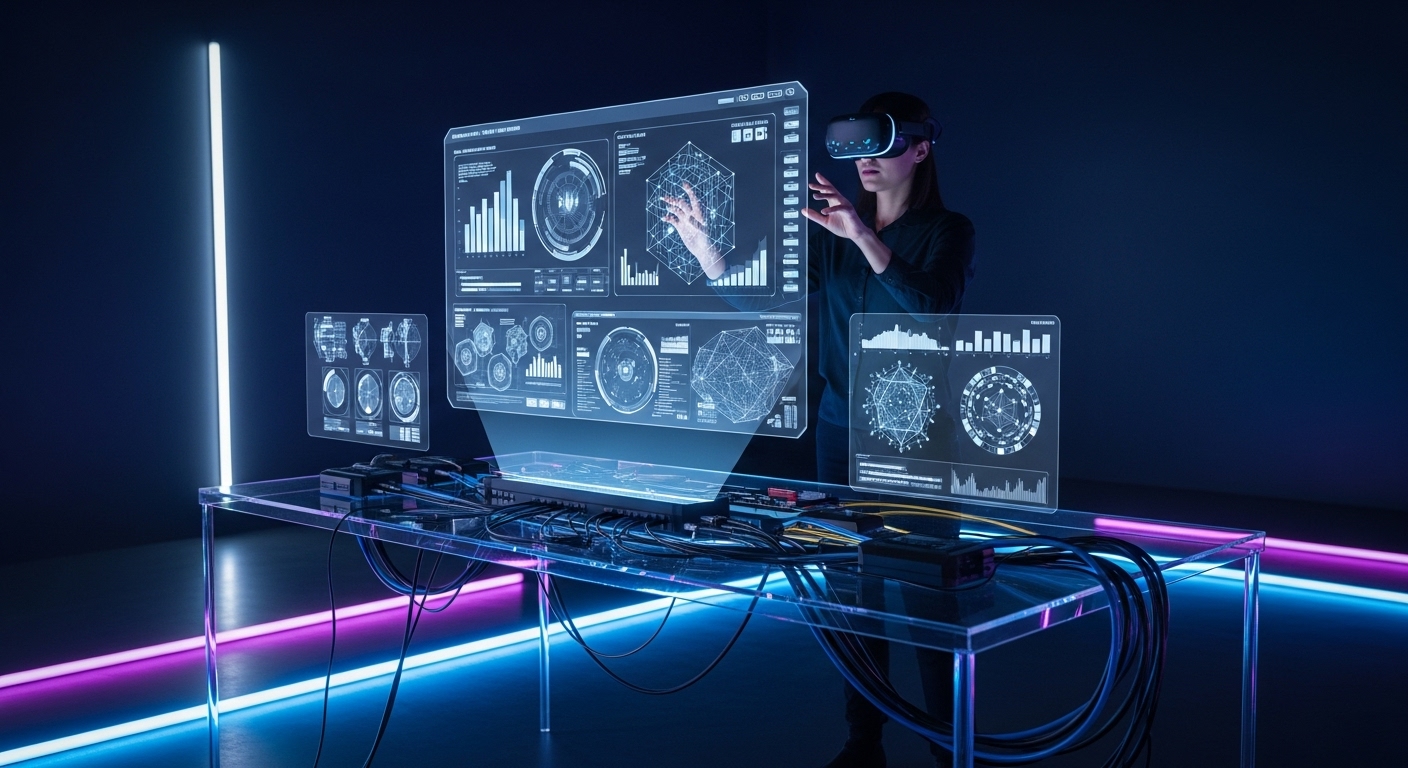
Virtual Reality (VR) and Augmented Reality (AR) are two technologies that are poised to redefine how we interact with the digital world. While they are often confused, VR and AR offer vastly different experiences. Virtual reality immerses users in a completely digital environment, often using headsets to create a sense of presence in a 3D world. In contrast, augmented reality overlays digital elements onto the real world, typically through a smartphone or AR glasses, enhancing the user’s real-world experience.
In gaming and entertainment, VR has already made significant strides, providing users with immersive experiences that transport them into new worlds. VR has applications beyond entertainment as well. For example, virtual training is being used by companies in sectors such as healthcare, aviation, and the military to simulate real-world scenarios and train employees in a safe, controlled environment.
AR, on the other hand, has found applications in industries like retail, education, and advertising. IKEA, for example, uses AR to allow customers to visualize how furniture will look in their homes before making a purchase. AR can also enhance learning experiences by allowing students to interact with 3D models and simulations, making complex concepts more engaging and understandable.
Both VR and AR are still in their early stages, but the potential for these technologies is vast. As hardware becomes more affordable and accessible, we can expect to see an increase in the adoption of VR and AR across industries, offering new ways for people to interact with both the physical and digital worlds.
The Future of Technology: A World of Possibilities
As we look to the future, the possibilities for technology are virtually limitless. Quantum computing, which leverages the principles of quantum mechanics to solve problems at incredible speeds, could revolutionize fields like medicine, finance, and logistics. 5G networks will provide faster internet speeds, lower latency, and more reliable connections, enabling the proliferation of connected devices and applications that require real-time data.
Biotechnology is also advancing rapidly, with innovations like CRISPR gene editing holding the potential to cure genetic diseases and enhance human health. Similarly, nanotechnology is offering new ways to treat diseases, deliver drugs more effectively, and even improve materials used in electronics and construction.
While these technologies hold tremendous promise, they also come with risks and challenges. Issues like ethical considerations, privacy concerns, and the environmental impact of technological innovations will need to be addressed as we continue to embrace new technologies.
Conclusion: Embracing a Tech-Driven Future
Technology has already transformed nearly every aspect of human life, and as we move further into the 21st century, its influence will only continue to grow. From artificial intelligence and the Internet of Things to virtual reality and biotechnology, the possibilities for innovation are boundless. However, with great power comes great responsibility. As we embrace new technologies, it is essential that we consider their ethical implications, ensure they are accessible to all, and address the challenges they pose. The future of technology is exciting, and by navigating it thoughtfully, we can build a more connected, efficient, and sustainable world.