Introduction
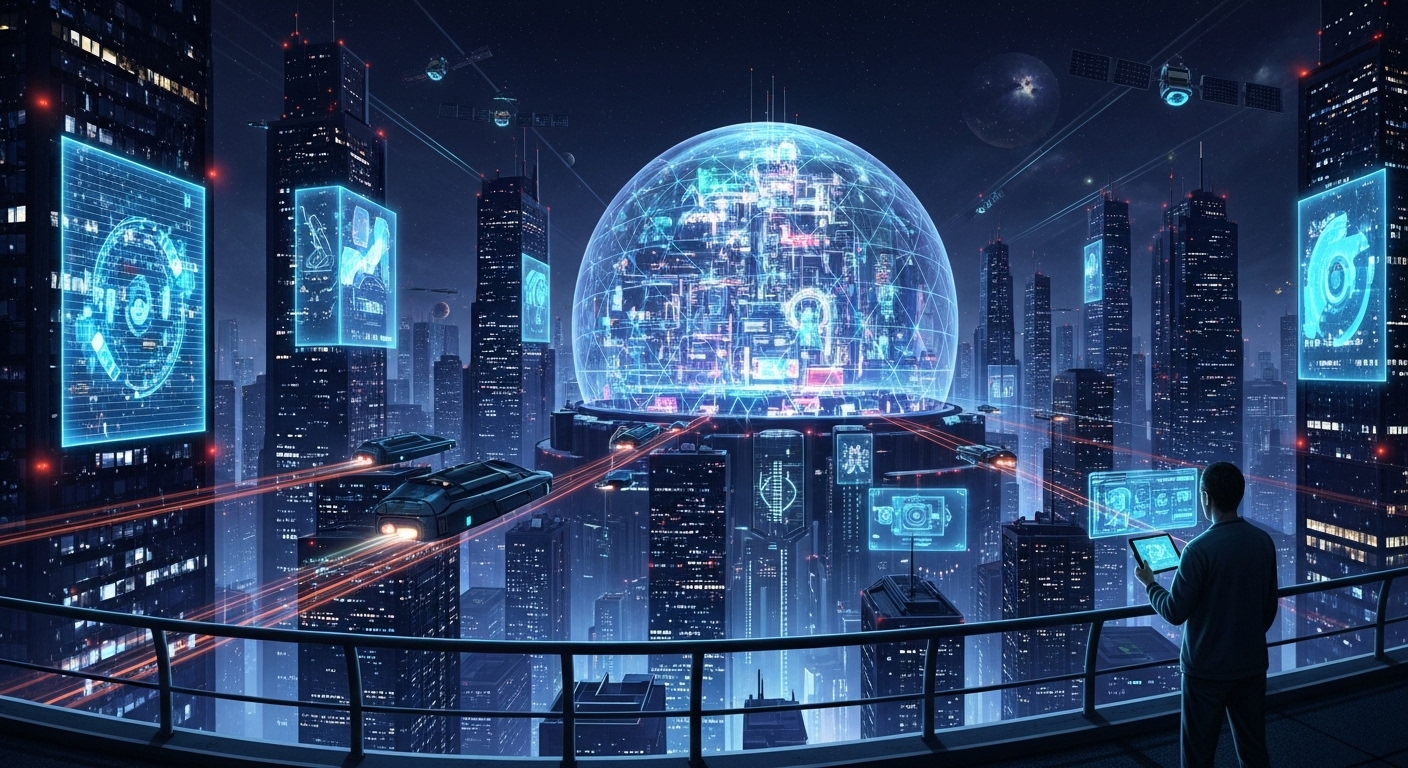
Technology is the heartbeat of modern civilization. It has evolved from a simple tool of convenience to a complex force that defines every aspect of human life. In the digital age, innovation is not just about progress—it is about transformation. From artificial intelligence to cloud computing, from smart devices to sustainable energy, technology has become a living ecosystem that grows, adapts, and influences everything it touches. As we navigate deeper into the twenty-first century, understanding how technology is reshaping the world is essential for individuals, businesses, and societies alike.
The Transformation of Everyday Life
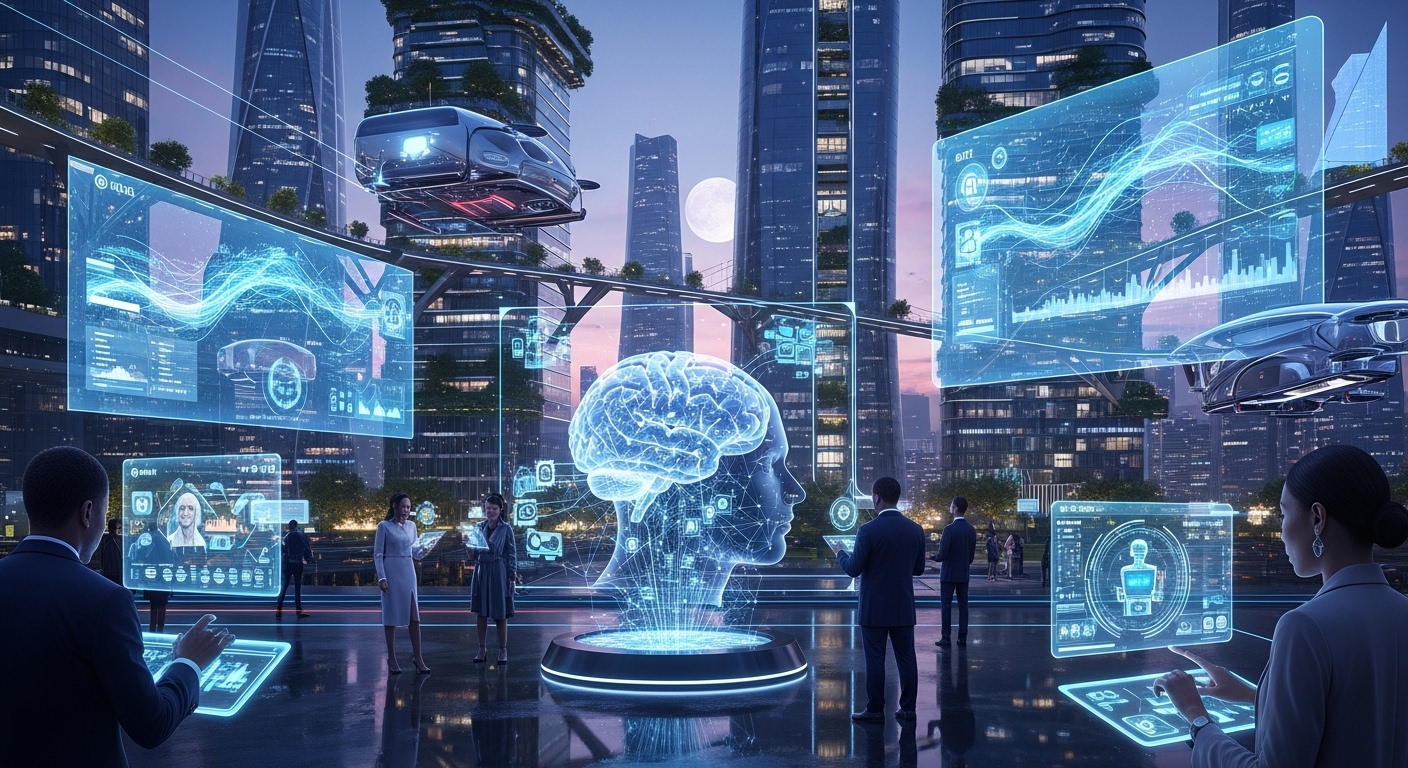
Over the past two decades, technology has revolutionized daily living in ways unimaginable to previous generations. Smartphones, once considered luxury gadgets, are now extensions of the human hand. They serve as communication tools, entertainment hubs, payment systems, and even personal assistants. The digital lifestyle has changed how people shop, learn, work, and socialize. Homes are becoming smarter, transportation more efficient, and communication faster than ever. This transformation has blurred the line between the physical and digital worlds, creating a society where convenience and connectivity define modern living.
Artificial Intelligence: The Thinking Machine
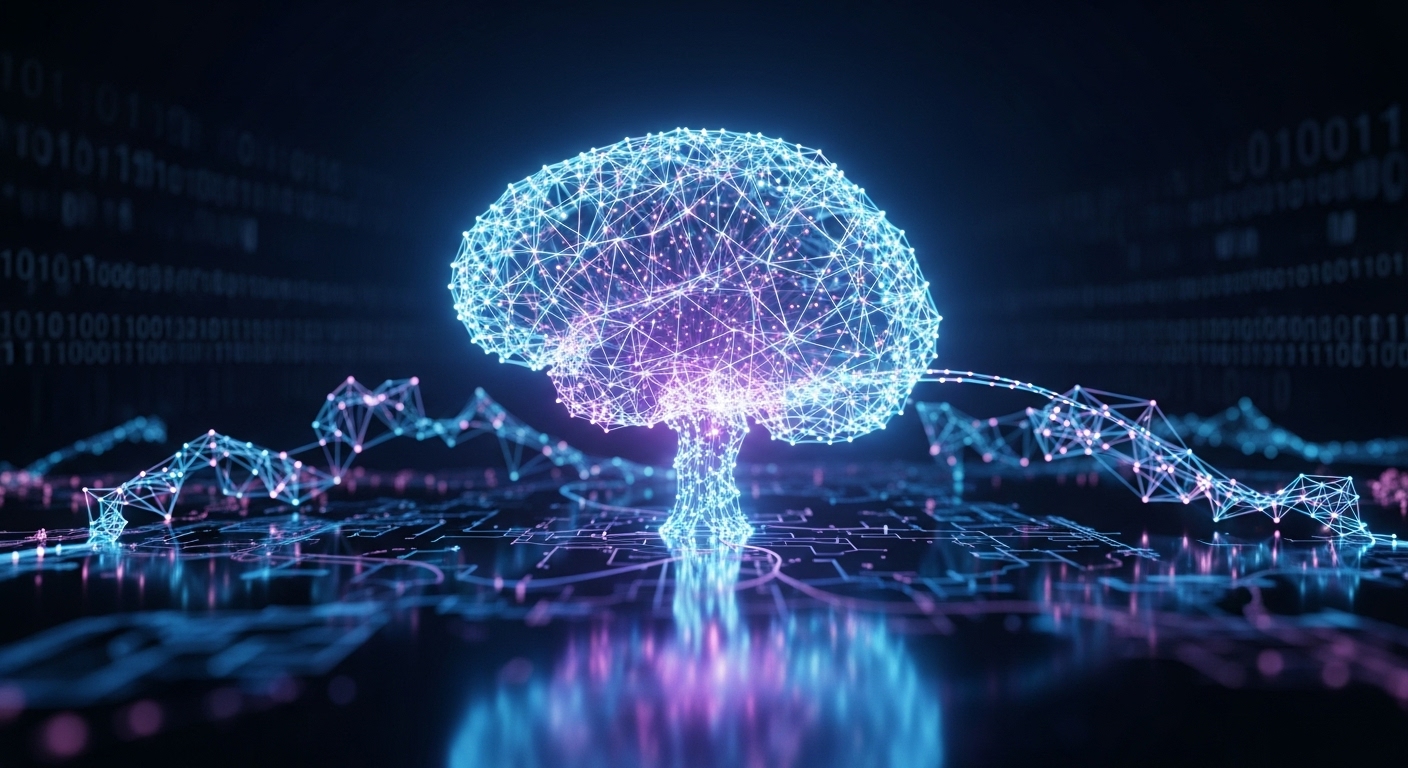
Among all technological advancements, artificial intelligence stands at the forefront of innovation. It has evolved from basic automation into a system capable of learning, reasoning, and problem-solving. AI now drives recommendation engines, medical diagnostics, financial predictions, and even creative writing. It enables self-driving cars, virtual assistants, and real-time translation tools. In industries, AI enhances decision-making by analyzing massive amounts of data faster than any human could. While it promises efficiency and innovation, it also raises questions about ethics, privacy, and employment. The challenge ahead lies in ensuring AI remains a tool of empowerment rather than a source of inequality or misuse.
The Internet of Things: A Connected World
The Internet of Things, or IoT, has transformed ordinary objects into intelligent devices that communicate and cooperate. This interconnected web of technology powers everything from smart homes and wearable fitness trackers to industrial automation and urban infrastructure. IoT enables real-time data exchange that improves convenience and efficiency. For example, smart thermostats adjust temperatures automatically, vehicles send maintenance alerts, and factories monitor equipment remotely. However, the growing network of connected devices also introduces new security risks. Safeguarding data and ensuring privacy are vital for maintaining trust in this connected world.
5G Technology: Redefining Communication Speed
The fifth generation of wireless technology, known as 5G, is revolutionizing global communication. With lightning-fast speeds and minimal delay, 5G enables innovations like autonomous vehicles, telemedicine, and immersive virtual experiences. It supports the massive expansion of IoT and enhances connectivity across industries. For consumers, 5G offers faster downloads, smoother streaming, and more stable connections. For businesses, it creates opportunities for automation, smart manufacturing, and real-time analytics. This technology is not merely an upgrade—it is the backbone of the digital future, laying the foundation for unprecedented levels of connectivity and innovation.
Cloud Computing: The Invisible Powerhouse
Cloud computing has quietly become the engine driving modern digital infrastructure. It allows data storage, processing, and access over the internet, eliminating the need for local servers or hardware. Businesses now rely on cloud platforms to scale operations, manage remote teams, and store valuable data securely. Cloud technology supports innovation by enabling collaboration across different locations and time zones. Individuals benefit as well, using cloud services to back up files, stream media, and run applications seamlessly. The flexibility, security, and scalability of cloud computing make it one of the most transformative forces in modern technology.
Cybersecurity: Protecting the Digital Future
As technology advances, so do digital threats. Cybersecurity has become a global priority as hackers, malware, and data breaches target individuals and organizations alike. The more dependent society becomes on digital systems, the greater the risk of cybercrime. Governments, corporations, and individuals must now invest in stronger security measures to protect their information and privacy. Artificial intelligence and machine learning are being used to predict and prevent attacks before they occur. However, human awareness remains essential. Understanding online safety, managing passwords, and recognizing digital scams are key skills in today’s interconnected world. The future of technology depends on trust—and that trust can only exist with strong cybersecurity.
Automation and Robotics: The New Workforce
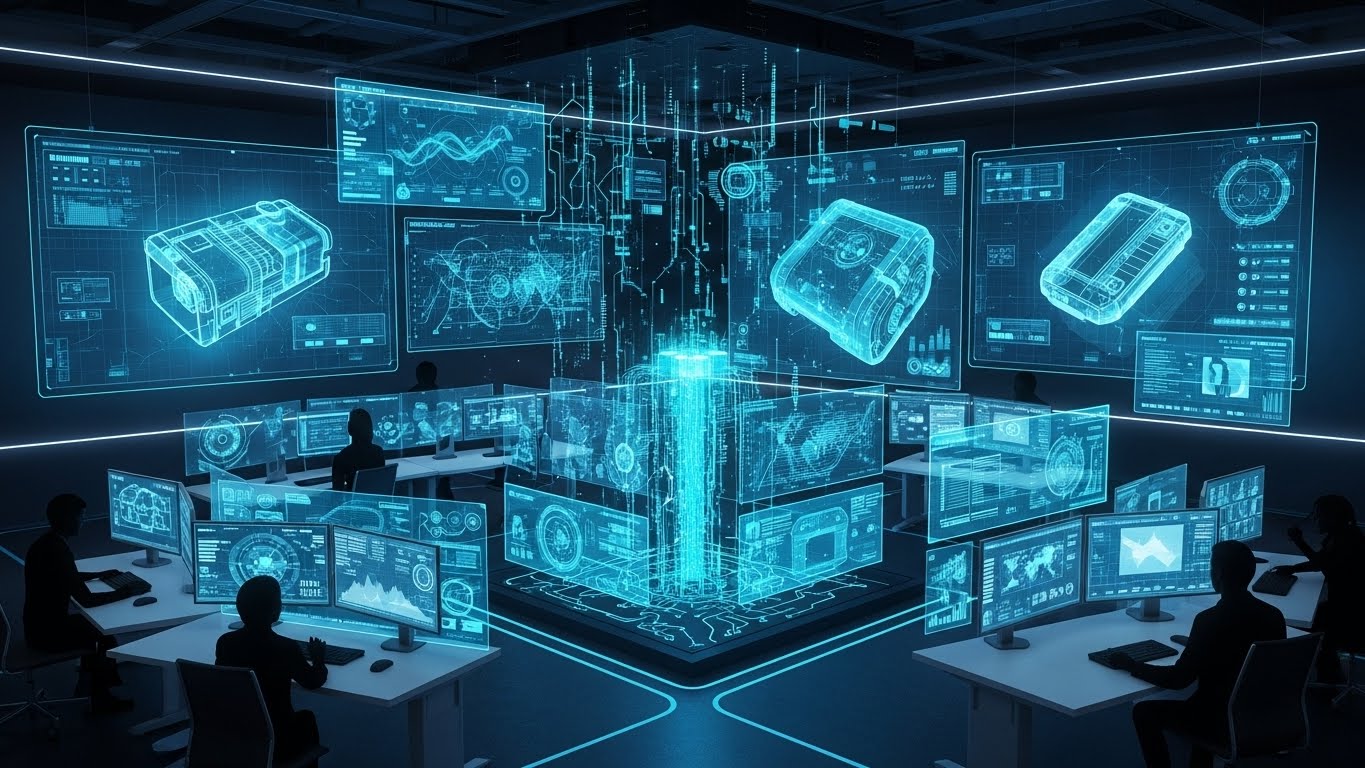
Automation and robotics have reshaped industries, revolutionizing how goods are produced, transported, and delivered. Machines now perform repetitive or hazardous tasks with precision and speed. In factories, robots assemble cars, pack products, and manage quality control. In agriculture, automated systems monitor soil health and optimize crop production. Even in healthcare, robotic assistants aid in surgeries and rehabilitation. While automation increases efficiency, it also challenges traditional employment. However, rather than eliminating jobs, it is changing them. The future workforce will focus on creativity, strategy, and technological management. Humans and machines will collaborate to achieve productivity levels never before possible.
Biotechnology: Blending Life and Technology
Biotechnology represents one of the most fascinating areas of technological growth. It merges biology and technology to improve healthcare, agriculture, and the environment. Advances in genetic engineering allow scientists to edit DNA, leading to breakthroughs in treating diseases and developing sustainable crops. Personalized medicine tailors treatments to an individual’s genetic profile, increasing effectiveness and reducing side effects. Beyond healthcare, biotechnology contributes to renewable energy and pollution control by developing biofuels and eco-friendly materials. This intersection of science and technology is redefining what it means to live longer, healthier, and more sustainably.
Quantum Computing: The Next Frontier
Quantum computing is set to revolutionize data processing on a scale that defies traditional logic. Unlike classical computers that use bits as 0s and 1s, quantum computers use qubits, which can exist in multiple states simultaneously. This enables them to perform complex calculations far faster than even the most powerful current supercomputers. Quantum technology could solve problems in medicine, climate modeling, and cryptography that are currently beyond human capability. Although it remains in early development, its potential is immense. Once fully realized, quantum computing could reshape industries, governments, and scientific research across the globe.
Green Technology: Innovation for a Sustainable Planet
With growing environmental challenges, technology is playing a key role in promoting sustainability. Green technology focuses on reducing pollution, conserving resources, and transitioning to renewable energy. Solar panels, wind turbines, and electric vehicles are leading examples of eco-friendly innovation. Smart grids optimize energy distribution, while water purification systems use technology to provide clean water in developing areas. Even digital technology helps reduce waste by promoting paperless communication and remote work. Sustainable innovation ensures that progress does not come at the cost of the planet. Building a greener future through technology is not just an option—it is a necessity for survival.
Virtual and Augmented Reality: Expanding Human Perception
Virtual Reality (VR) and Augmented Reality (AR) are transforming how people interact with the digital world. VR immerses users in simulated environments, while AR overlays digital elements onto the real world. These technologies are revolutionizing entertainment, education, healthcare, and business. In education, VR allows students to explore historical sites or conduct virtual science experiments. In medicine, AR assists surgeons with real-time data during operations. In retail, customers can visualize products before purchasing. The blending of digital and physical realities opens new dimensions for creativity and communication. As VR and AR continue to evolve, they will redefine how humans perceive and experience the world.
Education and Technology: Learning in the Digital Era
Technology has reshaped education by breaking barriers of distance, time, and accessibility. Online learning platforms allow students to access courses from anywhere in the world. Artificial intelligence helps personalize lessons, while virtual classrooms foster global collaboration. Interactive simulations and digital resources make learning more engaging and practical. The future of education will focus on digital literacy, problem-solving, and adaptability. Technology empowers students to learn at their own pace while connecting them with teachers and peers across continents. However, the digital divide remains a challenge, as access to technology is still unequal. Bridging this gap is essential for building an inclusive future of education.
Ethical and Social Implications of Technology
While technology offers progress, it also introduces ethical dilemmas. Issues such as data privacy, surveillance, digital addiction, and algorithmic bias are shaping debates about the role of technology in society. How much control should machines have? Who owns the data collected by digital systems? Can artificial intelligence make moral decisions? These questions highlight the importance of ethical frameworks in guiding technological growth. Society must ensure that innovation serves humanity, protects freedom, and promotes equality. Responsible use of technology is not just a moral choice—it is the foundation for sustainable progress.
The Future of Human and Machine Collaboration
The relationship between humans and machines is entering a new era of partnership. Rather than replacing humans, advanced technologies are enhancing human potential. Artificial intelligence can handle calculations, while humans focus on creativity and emotional intelligence. Robots perform physical tasks, while humans provide strategy and decision-making. This collaboration extends into fields like art, science, and engineering, where machines act as creative companions rather than competitors. The future will be defined by how effectively humans can integrate technology into their lives without losing their humanity.
Conclusion
Technology is no longer just a product of innovation—it is the essence of human progress. From artificial intelligence and robotics to green energy and biotechnology, every technological advancement reflects humanity’s desire to evolve. The challenge lies in using these tools wisely and ethically. As we step deeper into the digital age, it is essential to balance innovation with responsibility, efficiency with empathy, and speed with sustainability. The future of technology is not about replacing humans—it is about empowering them. The age of digital intelligence has begun, and its success will depend not on machines, but on the wisdom of those who create and use them.