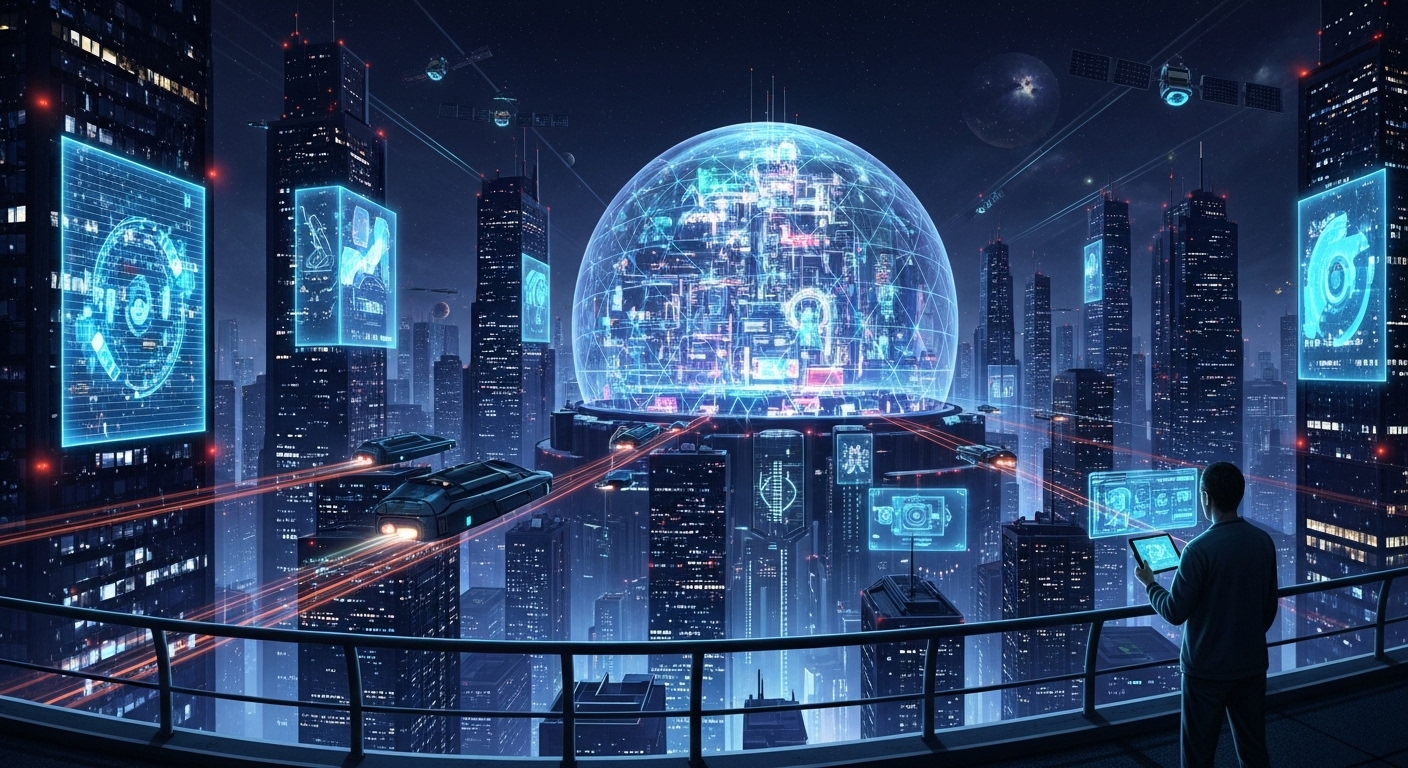

Technology has always been a defining force in human progress. From the invention of the wheel to the rise of the internet, advancements in technology have reshaped the way people live, work, and interact. In the 21st century, the pace of technological innovation has accelerated exponentially, influencing every aspect of society—from healthcare and education to business and entertainment. This blog explores the transformative power of technology, its impact on various industries, the ethical challenges it presents, and the exciting possibilities it holds for the future.
The Evolution of Technology
The story of technology is a chronicle of human ingenuity. Early inventions such as fire, the wheel, and the printing press revolutionized daily life and communication. Each technological breakthrough created new opportunities, expanding human capabilities and shaping civilizations.
The 20th century marked a period of rapid industrialization and innovation. The invention of electricity, automobiles, airplanes, and telecommunication systems transformed societies globally. However, it was the digital revolution that truly redefined technology. Computers, the internet, and mobile devices have become integral to modern life, connecting people across continents and enabling access to vast amounts of information at unprecedented speed.
Technology and Communication
One of the most significant impacts of technology is on communication. The internet, social media platforms, and instant messaging applications have transformed how people connect, share information, and form communities. Traditional barriers of time and distance have largely disappeared, enabling real-time collaboration and interaction across the globe.
Video conferencing, virtual meetings, and collaborative software tools have revolutionized the workplace, allowing remote teams to operate efficiently and maintain productivity. Moreover, communication technology has democratized information, giving individuals the power to voice opinions, engage in discussions, and participate in global conversations.
Technology in Healthcare
Healthcare has been profoundly transformed by technological innovation. Medical imaging, robotic surgery, and wearable health monitors have revolutionized diagnosis and treatment, making healthcare more precise, efficient, and personalized. Artificial intelligence is now being used to analyze vast datasets, detect patterns, and assist in early diagnosis, improving patient outcomes and reducing medical errors.
Telemedicine has also emerged as a vital tool, especially in remote or underserved areas. Patients can consult with doctors, receive prescriptions, and access medical advice without leaving their homes. Technology is not only enhancing the quality of care but also making healthcare more accessible and affordable.
The Impact of Technology on Education
Education has undergone a dramatic transformation through technology. Digital tools, online learning platforms, and virtual classrooms have expanded access to knowledge, breaking down geographic and economic barriers. Students can now learn at their own pace, explore interactive content, and connect with educators worldwide.
Technology also fosters innovative teaching methods. Artificial intelligence can personalize learning experiences, adapting content to suit individual needs and learning styles. Gamification and virtual simulations enhance engagement, making complex subjects more understandable. In this way, technology is shaping the future of education, preparing students for careers in an increasingly digital world.
Technology and Business Innovation
Technology has revolutionized the business landscape, driving efficiency, productivity, and innovation. Automation, cloud computing, and data analytics allow companies to streamline operations, make informed decisions, and improve customer experiences. E-commerce platforms have transformed retail, enabling businesses to reach global audiences without traditional storefronts.
Artificial intelligence, machine learning, and predictive analytics are now integral to decision-making. Businesses can forecast trends, optimize supply chains, and enhance marketing strategies with unprecedented precision. Startups and established companies alike leverage technology to create innovative products and services, fueling economic growth and shaping competitive markets.
Technology and Entertainment
The entertainment industry has been transformed by digital technology. Streaming platforms, video games, virtual reality, and augmented reality have redefined how audiences consume content. Traditional barriers such as location, timing, and distribution channels have been eliminated, allowing instant access to music, movies, and interactive experiences.
Virtual reality and immersive technologies offer new forms of storytelling, enabling audiences to engage with content in ways previously unimaginable. The rise of digital content creators and online communities has democratized entertainment, allowing independent artists and innovators to reach global audiences without intermediaries.
Artificial Intelligence and Machine Learning
Artificial intelligence (AI) and machine learning represent some of the most groundbreaking technological developments of our time. AI systems can analyze vast amounts of data, identify patterns, and make predictions with remarkable accuracy. Industries such as healthcare, finance, manufacturing, and logistics are increasingly relying on AI to optimize processes, improve efficiency, and enhance decision-making.
Machine learning algorithms are also shaping consumer experiences. Personalized recommendations on streaming platforms, automated customer service, and predictive analytics in marketing demonstrate how AI is seamlessly integrated into daily life. As AI technology continues to evolve, its applications and potential benefits are virtually limitless.
Technology and Transportation
Advances in technology are transforming the way we move. Electric vehicles, autonomous cars, high-speed trains, and drone delivery systems are redefining transportation. Electric vehicles reduce dependence on fossil fuels, lower emissions, and contribute to sustainable development. Autonomous technology has the potential to improve road safety, reduce congestion, and enhance mobility for individuals with disabilities.
Smart transportation systems, powered by data analytics and IoT devices, optimize traffic flow, monitor infrastructure, and reduce environmental impact. The integration of technology in transportation not only enhances efficiency but also addresses critical challenges related to urbanization and climate change.
Ethical Considerations in Technology
As technology evolves, it presents complex ethical challenges. Issues such as data privacy, cybersecurity, AI bias, and digital addiction require careful consideration and regulation. The collection and use of personal data by corporations and governments raise questions about consent, transparency, and accountability.
Artificial intelligence, while powerful, also introduces concerns about fairness, discrimination, and job displacement. Automation and robotics may replace certain jobs, necessitating workforce reskilling and adaptation. Addressing these ethical considerations is essential to ensure that technology serves humanity positively and equitably.
Technology and the Environment
Technology plays a dual role in environmental sustainability. On one hand, industrialization, energy consumption, and electronic waste contribute to ecological challenges. On the other hand, technology offers solutions for mitigating environmental impact. Renewable energy systems, smart grids, and energy-efficient devices reduce carbon footprints and promote sustainable development.
Environmental monitoring technologies track pollution, deforestation, and climate patterns, enabling policymakers to make informed decisions. Innovations in sustainable agriculture, water management, and waste reduction demonstrate how technology can be harnessed to protect the planet for future generations.
The Future of Technology
The future of technology promises unprecedented innovation and transformation. Emerging technologies such as quantum computing, biotechnology, nanotechnology, and space exploration are poised to redefine human capabilities. Quantum computing could revolutionize problem-solving in fields like cryptography, medicine, and climate modeling. Biotechnology innovations offer potential breakthroughs in healthcare, agriculture, and environmental conservation.
Space exploration technology may unlock new resources, habitats, and opportunities beyond Earth. The convergence of technologies, combined with global connectivity and collaborative innovation, will continue to shape human society, offering solutions to complex challenges and creating new possibilities for progress.
Conclusion
Technology is more than a tool; it is a catalyst for human progress, shaping every aspect of our lives. From communication and healthcare to education, business, and entertainment, technological innovation has redefined how people live, work, and interact. While challenges such as ethical concerns, environmental impact, and social inequalities remain, the transformative power of technology is undeniable.
As society continues to evolve, embracing technology responsibly and thoughtfully will be essential to harnessing its full potential. By leveraging innovation to address global challenges, improve quality of life, and foster inclusivity, technology will remain a driving force for a brighter, more connected, and sustainable future. The journey of human civilization and technology is inseparable, and the possibilities that lie ahead are limited only by imagination and vision.