Technology has become the backbone of modern society, influencing every aspect of our daily lives, from how we communicate and work to how we learn and entertain ourselves. Over the past few decades, rapid advancements in technology have transformed industries, redefined human interaction, and created opportunities and challenges that were unimaginable just a generation ago. This blog explores the evolution of technology, its impact on various sectors, emerging trends, and the potential future that lies ahead.
The Historical Evolution of Technology
The history of technology is a story of human ingenuity and creativity. From the invention of the wheel to the rise of the internet, technological progress has always been driven by the desire to improve efficiency, productivity, and quality of life.
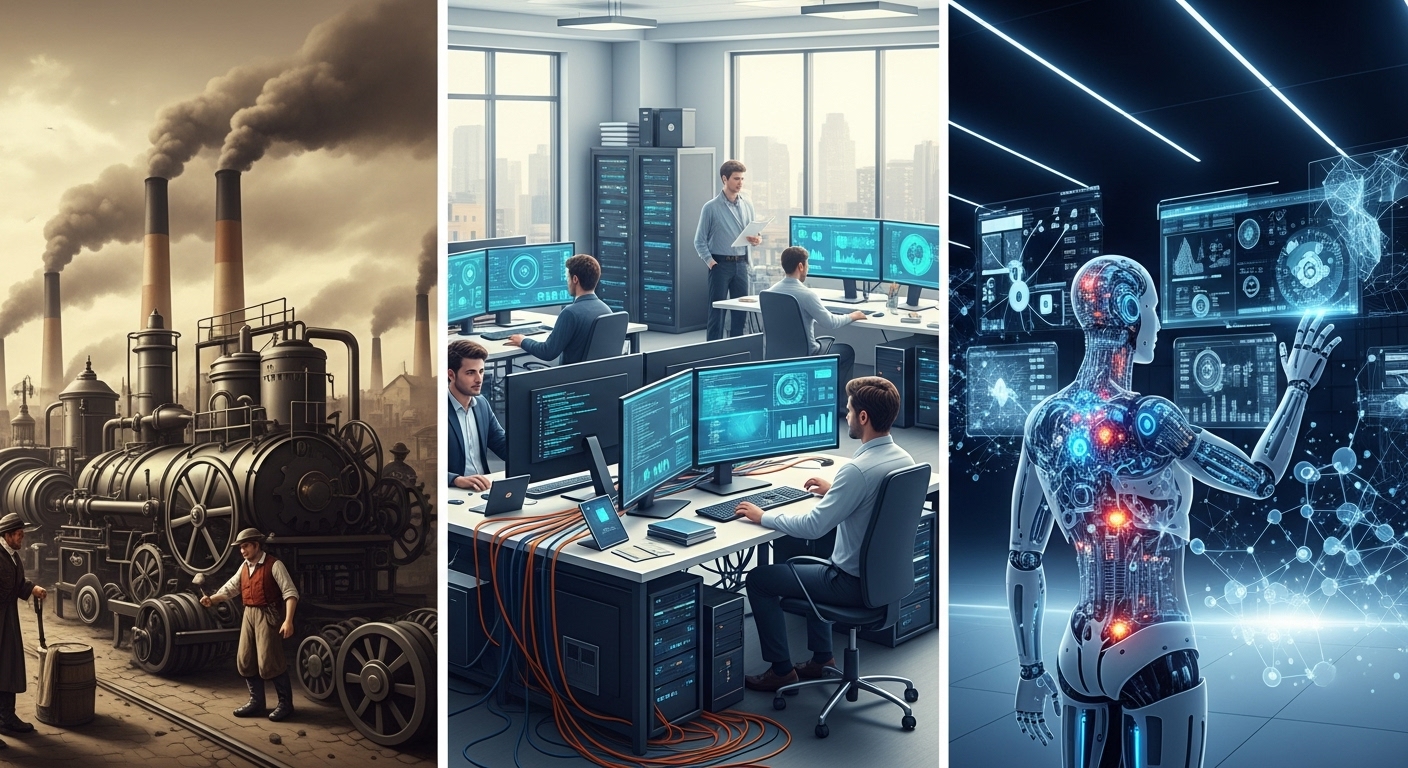
In the early industrial era, innovations like the steam engine, the telegraph, and electricity fundamentally changed society. Factories became more productive, cities grew rapidly, and communication became faster and more reliable. These inventions laid the foundation for the modern technological era.
The 20th century brought the digital revolution, marked by the advent of computers, the internet, and mobile devices. Computers, initially massive machines used by governments and corporations, gradually became personal devices accessible to the general public. The internet created a global network that transformed information sharing and communication, enabling people to connect across continents instantly.
As technology evolved, it became more integrated into daily life. Today, smartphones, wearable devices, smart homes, and cloud computing are not just conveniences; they are essential tools for personal and professional life.
The Impact of Technology on Communication
One of the most significant impacts of technology has been on communication. The transition from letters and landline phones to instant messaging, video calls, and social media has revolutionized how humans interact.
Social media platforms have created virtual communities that transcend geographical boundaries. People can now share experiences, ideas, and opinions instantly, fostering global connectivity. However, this rapid communication comes with challenges such as misinformation, cyberbullying, and the erosion of privacy.
Artificial intelligence and machine learning have further enhanced communication tools. AI-powered chatbots and virtual assistants streamline customer service, while natural language processing enables translation across languages, making global communication more seamless than ever.
In the professional sphere, technology has enabled remote collaboration on an unprecedented scale. Video conferencing tools, cloud-based productivity suites, and virtual whiteboards allow teams to work together regardless of location, driving efficiency and reducing operational costs.
Technology in Healthcare: Transforming Lives
Healthcare is one of the sectors that has benefited immensely from technological advancements. Medical technology has evolved from basic diagnostic tools to sophisticated devices capable of performing complex procedures with precision.
Telemedicine has become a crucial component of healthcare delivery, especially in remote or underserved areas. Patients can now consult doctors via video calls, reducing the need for travel and minimizing exposure to contagious diseases.
Wearable devices such as fitness trackers and smartwatches monitor vital signs, encouraging proactive health management. These devices collect data on heart rate, sleep patterns, and physical activity, empowering individuals to make informed decisions about their health.
Artificial intelligence is also playing a transformative role in healthcare. AI algorithms can analyze medical images, predict disease outbreaks, and assist in drug discovery, significantly improving diagnostic accuracy and treatment outcomes. Robotics has introduced precision surgery, reducing recovery times and minimizing risks associated with complex procedures.
The Influence of Technology on Education
Education has been profoundly reshaped by technology, creating opportunities for personalized learning and expanding access to knowledge. Traditional classrooms are being supplemented, and sometimes replaced, by digital learning platforms, online courses, and interactive tools.
E-learning platforms offer a vast array of courses covering every conceivable topic, allowing learners to study at their own pace. Virtual reality and augmented reality technologies provide immersive educational experiences, making subjects like history, science, and engineering more engaging and easier to understand.
Artificial intelligence is also personalizing education. Adaptive learning systems analyze student performance and tailor lessons to individual needs, ensuring a more effective learning process. Additionally, AI-powered tools can automate administrative tasks, freeing educators to focus on teaching and mentoring students.
Technology also promotes collaborative learning. Online discussion forums, project management tools, and virtual classrooms facilitate teamwork and knowledge sharing, preparing students for a digitally connected world.
Technology and the Workplace: Redefining Productivity
The workplace has undergone a significant transformation due to technology. Automation, artificial intelligence, and digital tools are redefining productivity, efficiency, and the nature of work itself.
Automation has replaced repetitive and mundane tasks, allowing employees to focus on creative and strategic activities. Manufacturing industries use robotic systems for assembly lines, reducing human error and increasing output. Similarly, AI-powered software handles data analysis, customer service, and even decision-making processes.
Remote work has become a viable option for many organizations, thanks to cloud computing and communication technologies. Companies can now hire talent from anywhere in the world, breaking down geographical barriers and diversifying the workforce. This flexibility improves employee satisfaction, reduces commuting stress, and allows businesses to operate efficiently across time zones.
However, technology-driven workplaces also present challenges. The constant connectivity enabled by digital devices can lead to burnout, and the rise of AI raises concerns about job displacement. Balancing technological benefits with human needs is essential to creating a sustainable work environment.
Emerging Technologies Shaping the Future
As we look toward the future, several emerging technologies are poised to redefine the way we live, work, and interact.
Artificial Intelligence and Machine Learning: AI continues to advance at an unprecedented pace. From self-driving cars to predictive analytics, AI is transforming industries by enabling smarter decision-making and automating complex tasks.
Blockchain Technology: Originally developed for cryptocurrencies, blockchain has far-reaching applications in finance, supply chain management, and data security. Its decentralized and transparent nature offers new ways to ensure trust and accountability in digital transactions.
Quantum Computing: Quantum computers promise to solve problems that are currently impossible for classical computers. They have the potential to revolutionize fields such as cryptography, material science, and complex simulations, opening new frontiers of innovation.
Augmented and Virtual Reality: AR and VR are changing the way we experience entertainment, education, and even shopping. These immersive technologies offer new ways to interact with digital content, making experiences more engaging and realistic.
Internet of Things (IoT): IoT connects everyday devices to the internet, enabling smarter homes, cities, and industries. From smart thermostats to connected medical devices, IoT is making life more convenient, efficient, and responsive.
Ethical Considerations and Challenges
With great technological advancements come significant ethical considerations. The rapid pace of innovation often outstrips regulatory frameworks, raising questions about privacy, security, and equity.
Data privacy is a major concern in a world where personal information is constantly collected, analyzed, and stored. Companies and governments must ensure that data is used responsibly and securely to prevent misuse or breaches.
Artificial intelligence poses ethical dilemmas, such as bias in algorithms and the potential for autonomous decision-making to impact human lives. Ensuring transparency, accountability, and fairness in AI systems is critical.
Moreover, the digital divide remains a pressing challenge. While technology has the potential to empower millions, unequal access can exacerbate social and economic disparities. Ensuring equitable access to technology and digital literacy is essential for building an inclusive future.
The Environmental Impact of Technology
Technology has both positive and negative impacts on the environment. On one hand, innovations in renewable energy, smart grids, and energy-efficient devices are helping reduce carbon footprints and promote sustainability. Electric vehicles, solar panels, and wind turbines are reshaping energy consumption patterns and mitigating environmental damage.
On the other hand, the production, usage, and disposal of electronic devices contribute to environmental degradation. E-waste, energy consumption by data centers, and resource extraction for electronics are significant challenges that require innovative solutions. Sustainable technology practices, such as recycling, circular design, and green computing, are essential to minimize the environmental impact of technological progress.
The Future of Human-Technology Interaction
The relationship between humans and technology is becoming increasingly intertwined. Emerging technologies such as brain-computer interfaces, wearable devices, and advanced robotics promise to blur the line between the digital and physical worlds.
Human augmentation technologies could enhance physical and cognitive abilities, offering new possibilities in healthcare, education, and daily life. AI companions and virtual assistants may become integral to our routines, providing support, information, and companionship.
However, this deep integration also raises questions about dependence, autonomy, and identity. As technology becomes more embedded in our lives, society must navigate the balance between embracing innovation and preserving human values.
Conclusion: Embracing the Technological Future
Technology is not just a tool; it is a driving force shaping the future of humanity. Its influence spans every domain, from communication and education to healthcare, work, and environmental sustainability. While technology offers immense opportunities for progress, it also presents ethical, social, and environmental challenges that must be addressed responsibly.
The key to navigating the technological future lies in thoughtful innovation, equitable access, and conscious engagement with the digital world. By embracing technology wisely, humanity can harness its power to solve complex problems, enhance quality of life, and create a more connected, sustainable, and prosperous future.
The journey of technology is far from over. Every innovation opens new doors, and every challenge sparks new solutions. As we continue to push the boundaries of what is possible, one thing remains certain: technology will continue to shape our world in ways we are only beginning to imagine.