In the span of just a few decades, technology has transformed almost every aspect of human life. From the way we communicate to how we work, travel, and even interact with the world around us, technological advancements have made their mark. But beyond the obvious changes we see daily, the evolution of technology is also pushing the boundaries of what’s possible. As we stand on the brink of the next technological revolution, it’s worth reflecting on how we got here and where we might be headed.
In this blog post, we’ll take a deep dive into the major milestones in technology, exploring how each innovation has shaped our present and will influence our future. We’ll also discuss the emerging technologies that could reshape industries and society in the coming years. Let’s take a journey through the fascinating world of technology and understand its transformative power.
The Rise of the Personal Computer: A Game Changer
The story of modern technology begins with the personal computer. While computing machines have been around for decades, it wasn’t until the late 20th century that personal computers became widely available. In the 1970s and 1980s, companies like Apple, IBM, and Microsoft revolutionized the tech landscape with products that made computers accessible to everyday people.
Before this, computers were large, expensive, and used mostly for business and scientific purposes. The personal computer changed all of that. The introduction of affordable personal computers like the IBM PC and Apple Macintosh allowed people to use computers for a variety of tasks—from word processing and spreadsheets to playing games and connecting with others online.
The proliferation of personal computers opened the door to a new era of information exchange and digital communication. It made possible the rise of the internet, which would soon change the world in ways that were previously unimaginable.
The Internet: Connecting the World
The internet has perhaps had the most profound impact on the way we live. Initially, the internet was a niche technology used primarily by researchers and scientists to share information. However, by the mid-1990s, the internet began to spread rapidly to the public. The creation of web browsers like Netscape Navigator and the development of early websites made it possible for anyone with a computer to access the World Wide Web.
The internet, in its early days, was a simple tool for information sharing. Over time, however, it evolved into a multifaceted platform that allowed for communication, entertainment, and commerce. Email, social media, e-commerce, and streaming services all grew out of the internet, fundamentally changing how people interact with each other and with businesses.
By the early 2000s, internet usage had become ubiquitous, and companies like Google, Amazon, and Facebook were born. These companies would go on to dominate the digital landscape, shaping the future of business and society.
The Smartphone Revolution: A Computer in Your Pocket
In the mid-2000s, the next wave of technological innovation arrived in the form of the smartphone. The first iPhone, released in 2007, combined a mobile phone with a personal computer, effectively putting the power of the internet into the palms of our hands. The smartphone revolutionized communication by making it easier than ever to stay connected with others, access information, and perform a variety of tasks on the go.
The iPhone’s success sparked a wave of innovation in the smartphone industry. Other companies like Samsung, Google, and Huawei quickly followed suit, releasing their own versions of the smartphone. With each new generation of devices, smartphones became more powerful, more versatile, and more integral to daily life.
Today, smartphones are far more than just communication tools. They are our entertainment centers, our shopping malls, our navigation systems, and even our healthcare monitors. The rise of mobile apps has transformed everything from banking to fitness tracking, and the smartphone’s role in society continues to evolve.
Artificial Intelligence: The Future of Innovation
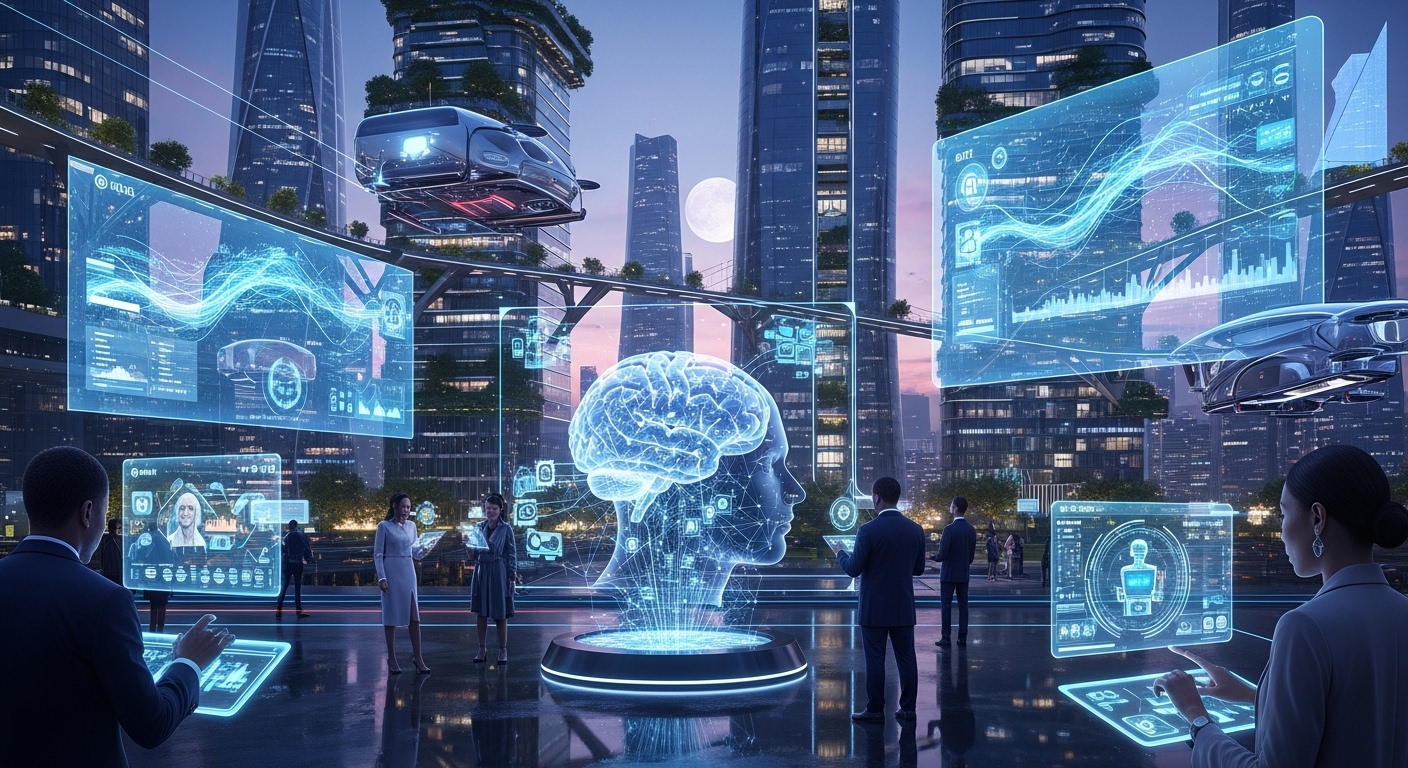
If the internet and smartphones marked the first two stages of the digital revolution, artificial intelligence (AI) is undoubtedly the next frontier. AI is already making its presence felt in a number of industries, from healthcare and finance to manufacturing and entertainment.
At its core, AI is the simulation of human intelligence in machines. These machines are designed to think, learn, and make decisions on their own, often surpassing human capabilities in specific tasks. Machine learning, a subset of AI, involves teaching machines to learn from data and improve their performance over time without human intervention.
AI has already proven its potential in various fields. In healthcare, AI algorithms are helping doctors diagnose diseases more accurately and predict patient outcomes. In finance, AI is used to detect fraud and make investment recommendations. In customer service, AI-powered chatbots are improving response times and user experiences.
The true promise of AI lies in its ability to automate processes, enhance decision-making, and solve complex problems in ways that were once thought impossible. As AI technology continues to improve, we can expect it to play an even bigger role in transforming industries and solving global challenges.
The Internet of Things: A Connected World
Another groundbreaking technological development is the Internet of Things (IoT), which refers to the network of physical devices—ranging from household appliances to industrial machinery—that are connected to the internet and can communicate with each other.
IoT has the potential to make our homes, cities, and workplaces smarter and more efficient. In the home, smart devices like thermostats, light bulbs, and security cameras can be controlled remotely through a smartphone or voice assistant. In cities, IoT sensors can monitor traffic, air quality, and energy usage, helping to optimize public services and reduce waste.
The industrial applications of IoT are equally impressive. Manufacturers are using IoT sensors to monitor machinery, detect problems before they occur, and optimize production processes. In agriculture, IoT devices are helping farmers monitor soil conditions and manage irrigation systems more efficiently.
As the number of connected devices continues to grow, IoT has the potential to reshape entire industries, creating a more interconnected and intelligent world.
5G: The Next Generation of Connectivity
While IoT is revolutionizing how devices communicate, 5G technology is transforming how we connect to the internet itself. 5G, or fifth-generation wireless technology, promises to deliver faster speeds, lower latency, and more reliable connections than current 4G networks.
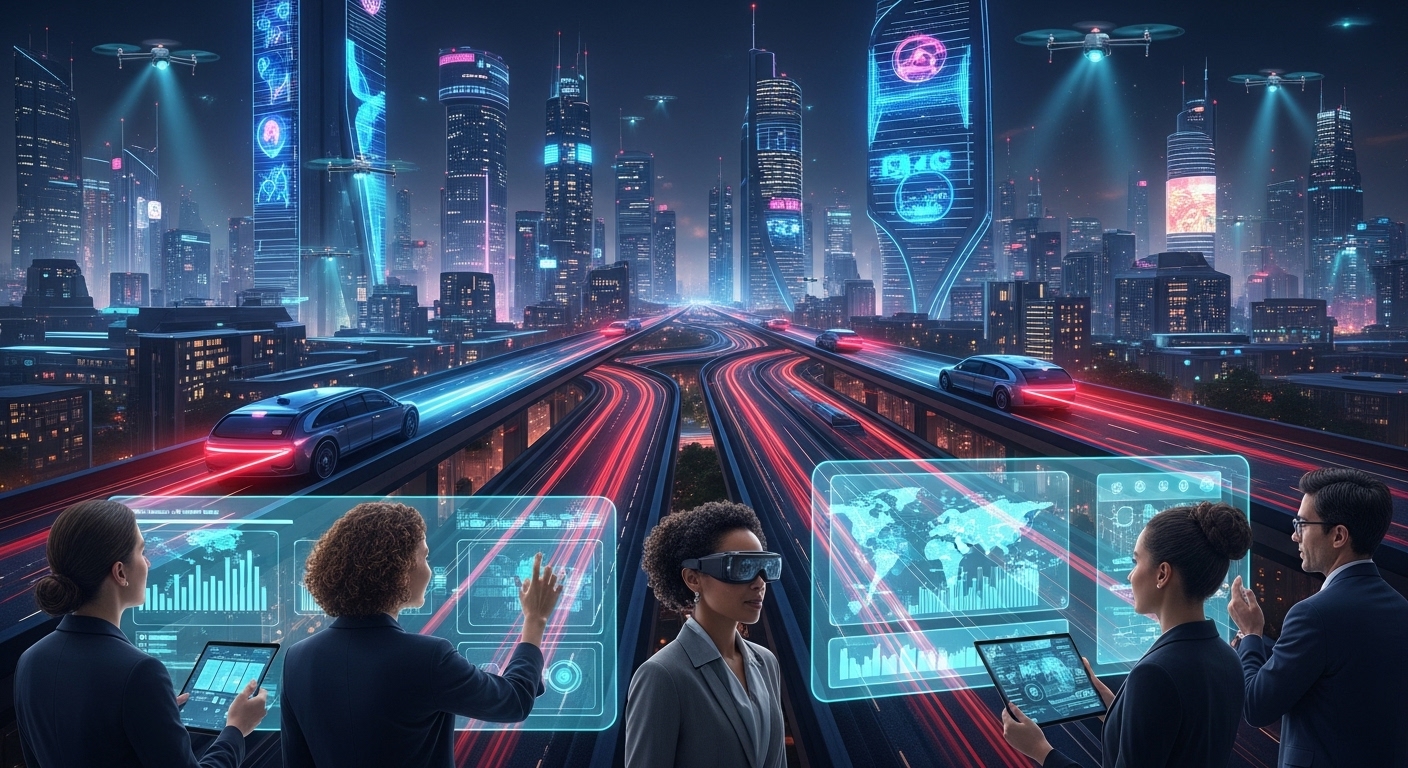
5G has the potential to revolutionize everything from autonomous vehicles to remote healthcare. With ultra-fast download and upload speeds, 5G will make it possible to stream high-definition video, conduct real-time remote surgeries, and enable smart cities to operate more efficiently.
The arrival of 5G will unlock new possibilities for industries that rely on high-speed, low-latency communication. In entertainment, it will allow for immersive experiences like augmented reality (AR) and virtual reality (VR) to be delivered seamlessly. In transportation, it will facilitate the development of autonomous vehicles that can communicate with each other in real time to avoid accidents.
The Future of Technology: What’s Next?
As we look ahead, there are countless exciting developments on the horizon. Here are just a few areas of technology that are likely to shape the future:
- Quantum Computing: Quantum computers use the principles of quantum mechanics to perform calculations at speeds far beyond the capabilities of classical computers. While quantum computing is still in its infancy, it has the potential to solve complex problems in fields like cryptography, material science, and artificial intelligence.
- Space Exploration: With private companies like SpaceX leading the charge, space exploration is entering a new era. From plans to establish colonies on Mars to mining asteroids for resources, space could become a critical area for innovation in the coming decades.
- Biotechnology: Advances in biotechnology are revolutionizing healthcare. Gene editing technologies like CRISPR are enabling scientists to cure genetic disorders, while advances in personalized medicine could lead to more targeted and effective treatments.
- Sustainability Technologies: As climate change becomes an increasingly urgent issue, technologies focused on sustainability will play a critical role. From renewable energy solutions like solar and wind power to carbon capture and storage technologies, innovation will be key to mitigating the effects of global warming.
Conclusion
The evolution of technology has been nothing short of extraordinary, and it shows no signs of slowing down. From the rise of personal computers to the development of artificial intelligence, the digital revolution has transformed every aspect of our lives. As we look ahead, the possibilities are endless. Emerging technologies like quantum computing, space exploration, and sustainability innovations promise to reshape the world in ways we can’t yet fully comprehend.
One thing is certain: technology will continue to push the boundaries of what’s possible, and it will remain a driving force behind societal and economic change. Whether it’s improving our daily lives, solving global challenges, or exploring new frontiers, the future of technology is as exciting as it is uncertain.
As we move forward, it’s up to us to embrace these innovations responsibly, ensuring that they are used for the benefit of all humanity. The digital age is still young, and the best is yet to come.